Experience the Majesty of the Himalayas in Limited Time
Duration
12 Days
Activity
Trekking
Max. Altitude
5160
Difficulty
Moderate
The Short Manaslu Circuit Trek is moderate, suitable for trekkers with good fitness. It involves 4 to 7 hours of walking daily on rugged trails, hills, and occasional steep sections, reaching a maximum altitude of around 4,150 at Larkya La.
Starts
Kathmandu
Ends
Kathmandu / Pokhara
Group Size
1 Pax
Best Season
Mar-May, Sep-Nov
TRIP HIGHTLIGHTS
Perfect blend of natural beauty, adventure, and cultural immersion.
Ideal for trekkers with limited time seeking high-altitude adventure.
Explore remote areas within the Annapurna Conservation Area.
Unique cultural insights into Buddhist practices and local traditions.
Experience diverse landscapes from lush forests to alpine meadows and glaciers.
Visit culturally rich Gurung and Tibetan villages.
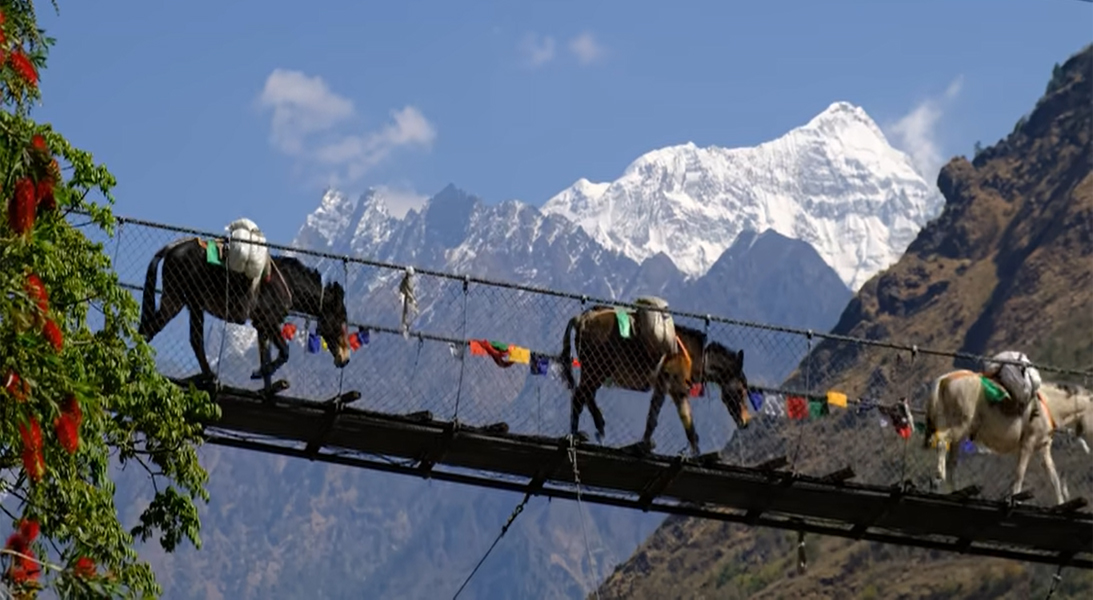
Trek along the Budi Gandaki River with numerous suspension bridges.
Cross the challenging Larke La Pass (5,106m) with panoramic mountain views.
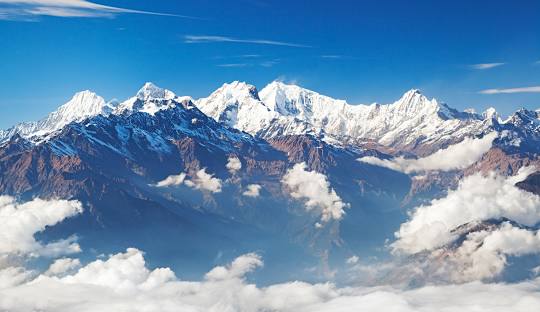
Stunning views of Mount Manaslu (8,163m), the world’s eighth-highest peak.
Scenic trek through less crowded trails in the Manaslu region.
TRIP OVERVIEW
Short Manaslu Circuit Trek: Explore the Hidden Himalayas Quickly
The Short Manaslu Circuit Trek in 12 Days is a great way to explore one of Nepal’s most beautiful and culturally rich trekking routes. This trek takes you deep into the Manaslu region, a peaceful area with fewer tourists, allowing for a more personal and quiet trekking experience. Along the way, you’ll be treated to stunning views of Mount Manaslu (8,163m), the world’s eighth-highest peak, as well as a mix of landscapes, from lush forests to snowy mountain peaks.
This 12-day trek is perfect for those who are short on time but still want to see the highlights of the Manaslu Circuit. The journey begins at Machha Khola, following the Budi Gandaki River through charming villages, terraced fields, and crossing suspension bridges over the river. As you walk, you’ll pass through villages where people from Gurung and Tibetan communities live, giving you a chance to learn about their unique culture and Buddhist traditions. This combination of nature and culture is what makes the Manaslu region so special.
As you climb higher, the scenery changes from green forests to alpine meadows and glaciers. The most exciting part of the Short Manaslu Circuit Trek is crossing the Larke La Pass at 5,106 meters. Although it’s challenging, the views of the surrounding mountains, like Himlung Himal, Cheo Himal, and Annapurna II, are worth the effort. Often, the pass is covered in snow, which adds an extra thrill to the adventure.
After crossing the pass, the Short Manaslu Circuit Trek descends into the Annapurna Conservation Area. Here, you’ll notice how the rugged mountain terrain gradually gives way to more gentle forests and farmlands. This trek is shorter than the full Manaslu Circuit but still offers a rich experience of the region’s natural beauty, cultural sites, and adventure.
Whether you’re an experienced hiker or new to trekking in Nepal, the Short Manaslu Circuit Trek provides a great mix of excitement and relaxation. It’s a perfect option for anyone looking to enjoy the Himalayas without committing to a long trek.
Table of Contents
Flora and Fauna in Manaslu Region
The Manaslu region is renowned for its rich flora and fauna, thanks to its varied altitudes and ecosystems. In the lower altitudes (600m – 1,800m), you’ll find subtropical forests filled with vibrant rhododendrons, magnolias, and diverse species of oak and chestnut trees. As you ascend to the temperate forests (1,800m to 3,000m), the landscape transitions to cooler climates with coniferous trees such as pine and fir, along with shrubs and herbs.
Moving higher into the alpine meadows (3,000m to 4,500m), you’ll encounter hardy plants like edelweiss and various alpine grasses that are adapted to the colder environment. Above 4,500 meters, the vegetation becomes scarce, dominated by lichens and mosses due to the harsh, snow-covered conditions.
In terms of fauna, the lower regions (600m to 2,500m) are home to species like the Himalayan langur, rhesus macaque, and a range of birds such as the red-billed blue magpie and Himalayan griffon. As you reach mid-altitudes (2,500m to 3,500m), you may spot the Himalayan tahr and serow, with the rare snow leopard being a possible sighting.
In the high altitudes (3,500m – 5,106m), animals like the Tibetan sheep and Himalayan blue sheep roam, and birds such as the Himalayan snowcock are adapted to these extreme conditions. Above the snow line, animal life is sparse, limited to the resilient snow leopard and high-altitude birds.
Food and Dining on the Short Manaslu Circuit Trek
The Short Manaslu Circuit Trek primarily offers meals at teahouses scattered along the trail. These teahouses provide a variety of local and familiar dishes, including Tibetan bread, dal bhat (rice and lentils), momos (dumplings), noodles, soups, fried rice, and pasta. Breakfast options include eggs, porridge, pancakes, and toast.
Food availability and variety tend to be better in lower altitude villages and become limited as you ascend, especially above 3,000 meters, where fresh vegetables and meat are scarce due to lack of cold storage. Prices also increase with altitude. Most meals are hearty and designed to replenish energy after long trekking days.
Trekkers should be prepared to rely on simple, nutritious meals and plan for a daily food budget of approximately $30 USD. Staying hydrated and including warm soups like garlic soup can help manage altitude effects and maintain stamina. Overall, the food on the trek provides sufficient nourishment to support the physical demands of the journey while offering a taste of local Himalayan cuisine.
Comparison of Short Manaslu Circuit Trek- 12 Days and Manasalu Circuit Trek- 16 Days
Explore stunning mountains and villages on the Short Manaslu Circuit Trek.
Duration and Itinerary
The Short Manaslu Circuit Trek – 12 Days is perfect for trekkers who want to see the main sights of the Manaslu Circuit quickly. It condenses the trek into 12 days, providing a brisk adventure that covers the key highlights.
On the other hand, theManaslu Circuit Trek – 16 Days offers a slower pace with more time to explore. This longer trek includes extra days for acclimatization and a more relaxed journey, giving trekkers more time to enjoy the region and adjust to the altitude.
Highlights and Experience
The Short Manaslu Circuit Trek – 12 Days focuses on the main attractions of the Manaslu region, like crossing the Larke La Pass and visiting key villages. It’s designed for those with limited time who want a quick yet fulfilling experience.
In comparison, the Manaslu Circuit Trek – 16 Days allows for a deeper exploration of the area. With extra days for acclimatization and optional side treks, it provides a richer experience, including more time in each village and a greater chance to engage with local culture.
Acclimatization and Fitness
The Short Manaslu Circuit Trek – 12 Days offers limited time for acclimatization, which can increase the risk of altitude sickness. It’s best suited for trekkers who are fit and have previous trekking experience. In contrast, the Manaslu Circuit Trek – 16 Days includes more acclimatization days, reducing the risk of altitude sickness.
The Short Manaslu Circuit Trek allows for a gradual ascent and is suitable for a range of fitness levels, making it a safer option for those who need more time to adjust to high altitudes.
Cost and Logistics
The Short Manaslu Circuit Trek – 12 Days usually costs less due to its shorter duration, with fewer expenses for accommodation, food, and permits. The trek’s faster pace means quicker logistics and planning.
In contrast, the Manaslu Circuit Trek – 16 Days is more expensive because it lasts longer, resulting in higher costs for accommodation, food, and permits. The extra days also mean more extensive planning, but they provide a more relaxed and detailed trekking experience.
Overall Suitability
The Short Manaslu Circuit Trek – 12 Days is ideal for those with limited time who want to experience the main highlights of the trek. It offers a quick but satisfying adventure. The Manaslu Circuit Trek – 16 Days is better for those who want a more detailed and leisurely trek.
With additional days for acclimatization and exploration, it’s perfect for those seeking a comprehensive and relaxed experience. Both treks have unique benefits depending on your schedule, fitness level, and preference for pace.
Why Short Manaslu Circuit Trek?
Experience breathtaking Himalayan vistas, rich culture, and thrilling adventure on the Short Manaslu Circuit Trek.
Time-Friendly Adventure
The Short Manaslu Circuit Trek lasts just 12 days, making it perfect for those who don’t have a lot of time but still want to experience the highlights of the Manaslu region. It gives you a taste of the full Manaslu Circuit without needing to commit to a longer trek.
Amazing Mountain Views
You’ll get incredible views of Mount Manaslu, the world’s eighth-highest peak, along with other stunning mountain ranges. The Short Manaslu Circuit Trek features diverse landscapes, from green forests and terraced fields to snowy mountain peaks, especially at the Larke La Pass.
Cultural Experience
The Short Manaslu Circuit Trek takes you through villages where Gurung and Tibetan communities live. This offers a great chance to see their traditional way of life and learn about their Buddhist customs and practices.
Quieter Trails
Unlike some more popular treks, the Short Manaslu Circuit Trek is less crowded. This means you can enjoy a more peaceful trek and have a better chance to connect with nature and local culture.
Diverse Landscapes
The Short Manaslu Circuit Trek features a variety of landscapes, from lush green forests and fields to high-altitude meadows and snowy peaks. This makes for a visually exciting and varied trekking experience.
A Rewarding Challenge
One of the main highlights is crossing the Larke La Pass at 5,106 meters. It’s a tough climb, but the stunning views from the past make it all worthwhile.
Beautiful Descent
After the pass, the Short Manaslu Circuit Trek descends into the Annapurna Conservation Area. This part of the journey offers a beautiful contrast as you move from rugged high-altitude terrain to more gentle forests and farmland.
Flexible Duration
The 12-day length of the Short Manaslu Circuit Trek gives you the flexibility to fit it into your travel plans. It’s a well-balanced mix of adventure and relaxation, suitable for both experienced trekkers and beginners.
Well Rounded Experience
Even though it’s shorter than the full Manaslu Circuit, the Short Manaslu Circuit Trek still gives you a rich experience of the region’s natural beauty, culture, and adventure. It’s a great way to enjoy the Himalayas within a shorter timeframe.
Suitable for Various Levels
The Short Manaslu Circuit Trek is challenging but manageable for people with different levels of experience. The itinerary is designed to be achievable, making it accessible for both seasoned trekkers and those new to high-altitude adventures.
Essential Gear for Short Manaslu Circuit Trek
Preparing for the Short Manaslu Circuit Trek requires careful packing of gear that balances comfort, safety, and functionality. The trek involves varied climates and challenging terrains, so having the right equipment in good condition is crucial to successfully navigating the journey.
This packing list focuses on essential clothing, footwear, backpacks, and personal gear designed to keep trekkers warm, dry, and energized. With adequate preparation, trekkers can adapt to sudden weather changes, altitude variations, and physical demands, ensuring an enjoyable and safe adventure in the beautiful Manaslu region.
Clothing
Base Layers: Moisture-wicking thermal tops and pants keep you dry and warm by pulling sweat away from your skin.
Mid Layers: Fleece jackets or wool pullovers provide insulation during cold weather.
Outer Layers: Waterproof and windproof breathable jackets and pants protect against rain, snow, and wind.
Down Jacket: An insulated jacket is vital for warmth during cold nights and at high altitudes.
Trekking Shirts and Pants: Lightweight, breathable, and quick-drying for daytime trekking comfort.
Rain Gear: Reliable raincoat or poncho to stay dry during rain or snow.
Headwear and Gloves: Woolen hats, sun hats, buffs, or neck gaiters protect against sun, wind, cold, and dust; insulated and waterproof gloves keep hands warm and dry.
Essential Gear
Sleeping Bag: Rated for temperatures down to -10°C or lower to ensure warmth on cold mountain nights.
Trekking Poles: Reduce strain on knees and help maintain balance on uneven or steep trails.
Headlamp with Extra Batteries: Necessary for trekking in low light or early mornings.
Water Bottles and Purification: Hydration reservoirs or bottles with purification tablets or filters to ensure safe drinking water.
Sunglasses: UV protection to guard eyes against intense sunlight and snow glare.
Sunblock and Lip Balm: High SPF protection helps prevent sunburn and chapped skin at altitude.
First Aid Kit: Basic medical supplies for minor injuries and altitude-related issues.
Personal Hygiene Items: Includes quick-dry towels, biodegradable soap, toothbrush, toothpaste, and wet wipes for cleanliness.
Footwear
Trekking Boots: Well-broken-in, waterproof, and durable boots with good ankle support for rugged terrains.
Camp Shoes or Trainers: Comfortable shoes for relaxing during breaks or evenings.
Gaiters: Protect boots and lower legs from snow, mud, and debris on slippery or muddy trails.
Socks: Multiple pairs of moisture-wicking trekking socks and warm thermal socks to keep feet dry and cozy.
Backpacks and Bags
Duffle Bag (90-100L): Used by porters to carry heavier gear and extra items not needed daily.
Daypack (30-40L): Ideal for carrying daily essentials like water, snacks, camera, and extra clothes.
Rain Cover: Protects your backpack and valuables from rain and moisture.
Other Helpful Items
Small Locks: For securing bags and belongings.
Camera and Chargers: To capture memories and keep devices powered.
Power Bank: Keeps electronic devices charged where electricity is limited.
Documents: Carry trekking permits, passport copies, ID, and insurance safely.
Snacks and Energy Bars: For quick energy boosts during long trekking days.
Dry Bags or Compression Sacks: Protect gear from moisture and help organize belongings.
Emergency Blanket: Lightweight and compact for extra warmth in emergencies.
Notebook and Pen: For journaling or important notes during the trek.
Personal Care and Hygiene
Quick-Dry Towel: Lightweight and fast-drying for hygiene on the trail.
Toothbrush and Toothpaste: Basic oral care essentials.
Biodegradable Soap and Shampoo: Eco-friendly products for cleaning without harming the environment.
Hand Sanitizer: Helps maintain hand hygiene when water isn’t always available.
Basic First Aid Kit: Essential for treating minor injuries and altitude symptoms.
Difficulty of the Short Manaslu Circuit Trek
The Short Manaslu Circuit Trek is considered moderately challenging, suitable for trekkers with good physical fitness and some prior trekking experience. The trek demands endurance as daily walks typically last 5 to 7 hours, covering uneven, rocky, and sometimes steep terrain. One of the main challenges is the high altitude, especially when crossing the Larke La Pass at 5,160 meters, which requires proper acclimatization to avoid altitude sickness.
Weather conditions can also add difficulty, with cold temperatures, strong winds, and occasional snowfall. Despite these challenges, the trek is manageable with adequate preparation, steady pacing, and good physical conditioning, offering a rewarding experience of stunning Himalayan scenery and rich cultural immersion.
Distance and Duration of the Short Manaslu Circuit Trek
The Short Manaslu Circuit Trek typically covers around 85 to 100 kilometers (53 to 62 miles) over a period of 9 to 12 days, making it an ideal option for trekkers limited on time but eager to experience the region’s beauty. Each day usually involves trekking for about 5 to 7 hours, with distances ranging from 8 to 20 kilometers depending on the terrain and pace.
The trek starts from Machha Khola and passes through key villages such as Jagat, Deng, Namrung, and Samagaon, which is the base for hiking to Manaslu Base Camp. After an acclimatization day, trekkers cross the challenging Larkya La Pass at 5,160 meters, the highest point of the trek, before descending towards Bhimthang and eventually concluding the trek with a return to Kathmandu or Pokhara.
This duration balances the physical demands of altitude and trail conditions with necessary rest and acclimatization, providing a comprehensive yet time-efficient Himalayan trekking experience.
Accommodation Options for the Short Manaslu Circuit Trek
The Short Manaslu Circuit Trek offers a range of accommodation options mainly focused around teahouses and lodges, providing basic yet comfortable lodging throughout the route. In lower regions such as Machha Khola and Jagat, trekkers can find multi story concrete guesthouses offering private rooms, attached bathrooms, hot showers, Wi-Fi, and even small restaurants or bars. These places strike a balance between rustic mountain charm and essential comforts.
As you ascend to higher altitudes like Samagaon, Samdo, and Dharmasala, accommodations become simpler and more traditional, often consisting of shared dormitory-style rooms with basic facilities including common toilets and squat-style bathrooms. Hot water may be limited or available for an additional fee. Despite their simplicity, these teahouses provide warm hospitality and meals, facilitating cultural immersion into local Tibetan influenced mountain lifestyles.
For those seeking a more adventurous or secluded experience, camping options are also available along the trek, though this requires carrying additional gear or arranging support with porters and cooks. Camping allows trekkers to experience pristine wilderness and starry mountain skies away from the teahouse crowds.
Overall, teahouse accommodation on the Short Manaslu Circuit Trek is affordable, culturally enriching, and sufficient to relax comfortably after each day’s trekking while allowing trekkers to connect with local communities and natural surroundings.
Maximum Altitude of the Short Manaslu Circuit Trek
The maximum altitude that can be reached on the Short Manaslu Circuit Trek is the Larkya La Pass, which stands at approximately 5,160 meters (16,930 feet). This is the highest point of the trek and represents the most challenging section due to the high elevation and thinner air.
Trekkers often spend acclimatization days at places like Samagaon (3,530 meters) and Samdo (3,860 meters) to prepare their bodies for this significant altitude. The gradual ascent from lower elevations around 700 meters to the pass allows proper acclimatization over the course of the trek.
Best Time/Season for Short Manaslu Circuit Trek
The best time to do the Short Manaslu Circuit Trek is during autumn (September to November) and spring (March to May). These are the ideal seasons because the weather is clear, the temperatures are comfortable, and the mountain views are stunning.
Autumn (September to November)
This is the most popular time for trekking. The weather is stable, with clear skies and cool temperatures, making it perfect for walking. During this season, you’ll get amazing views of Mount Manaslu and other nearby peaks.
It’s also festival season in Nepal, so you might get to experience celebrations like Dashain and Tihar, which add a cultural touch to your trek.
Spring (March to May)
Spring is another great time for trekking. The temperatures are warmer, and the hills are full of blooming flowers like rhododendrons, making the trails look colorful.
You’ll still have clear views of the mountains, especially in the mornings. Plus, there are usually fewer trekkers than in autumn, which makes the trails quieter and more peaceful.
Winter (December to February)
You can trek in winter, but it’s much colder, especially at higher altitudes, where there might be snow. Crossing the Larke La Pass can be challenging in these conditions, but for those who enjoy cold weather and fewer crowds, winter trekking can still be an option if you’re well-prepared.
Monsoon (June to August)
Monsoon season is not the best time for trekking, as there’s heavy rain that makes the trails muddy and difficult. The mountains are often hidden behind clouds, and there’s also the risk of landslides. However, the landscape is lush and green, and you’ll find very few trekkers, making it a quieter time to visit.
For the best experience, most people choose to trek in autumn or spring when the weather is more reliable and the scenery is at its best. These seasons offer a comfortable and enjoyable trekking experience in the Manaslu region.
Permits for Short Manaslu Circuit Trek
For the Short Manaslu Circuit Trek,you will need several permits to trek legally in the region. Manaslu Guides will assist you with obtaining all necessary permits, ensuring a smooth and hassle-free experience.
The required permits include:
Manaslu Restricted Area Permit(RAP)
The Manaslu Restricted Area Permit (RAP) is a special permit required to trek the Manaslu Circuit, a protected region due to its cultural sensitivity and proximity to the Tibetan border. This permit covers the area from Jagat to Samagaun and beyond. It is mandatory to have at least two trekkers in a group, accompanied by a licensed local guide, and the permit must be obtained through a registered trekking agency.
The RAP is usually valid for 7 days, with extra fees for additional days. The cost varies seasonally, approximately USD 100 for the first seven days in peak season and USD 75 in the off season, with daily charges thereafter. This permit is essential to legally and safely explore the Manaslu restricted region during the short Manaslu Circuit trek.
Annapurna Conservation Area Permit (ACAP)
The Annapurna Conservation Area Permit (ACAP) is required for trekking in the Annapurna region to legally enter this protected conservation area. Managed by the National Trust for Nature Conservation (NTNC), the permit supports conservation efforts, wildlife protection, and local community development. ACAP promotes sustainable tourism by balancing visitor access with environmental preservation.
The permit costs about NPR 3,000 (approximately USD 25 to 30) for foreign nationals, NPR 1,000 for SAARC nationals, and is usually valid for the entire trek within the conservation area. It must be carried at all times and shown at checkpoints along the trekking route. Children under 10 years old do not require this permit. Obtaining ACAP helps protect the natural and cultural heritage of the Annapurna region while contributing to its sustainable development.
TIMS Card (Trekkers’ Information Management System)
The TIMS Card (Trekkers’ Information Management System) is a mandatory permit for all trekkers in Nepal to ensure safety and proper monitoring. It is issued by the Trekking Agencies Association of Nepal (TAAN) and the Nepal Tourism Board (NTB). The card records trekkers’ details and their trekking routes, helping authorities provide assistance in emergencies and maintain trekking regulations.
There are two types of TIMS cards: Individual TIMS for solo or free trekkers and Group TIMS for trekkers organized by registered trekking agencies. The cost is approximately USD 20 per person. Trekkers can obtain the TIMS card from TAAN offices, Nepal Tourism Board offices in Kathmandu and Pokhara, or through registered trekking agencies. It is required for trekking in all major trekking regions of Nepal, except for certain exemptions such as expedition members and diplomatic travelers. Carrying the TIMS card during the trek is mandatory and must be shown at checkpoints.
Manaslu Guides Nepal will handle the permit application process, ensuring that you have all the documentation needed for your trek. This support helps you focus on enjoying your adventure without worrying about permit issues.
Why Manaslu Guides Nepal for Short Manaslu Circuit Trek?
Manaslu Guides Nepal is an experienced and licensed team specializing in guiding trekkers through Nepal’s remote Himalayan regions. With deep local knowledge and government certification, expertise is offered in navigating challenging terrains while ensuring safety and comfort. Assistance is provided with trekking permits, accommodations in teahouses, and cultural insights that add richness to the journey.
Female guides are available to meet specific requirements. The team is dedicated to delivering authentic Himalayan adventures, supporting the local economy, and helping solo trekkers, groups, and families have memorable and smooth trekking experiences. Hiring a guide is mandatory in certain restricted areas, making their services essential for legal and safe trekking. The focus is on personalized, reliable support for every traveler, combining professionalism with the warmth of local hospitality.
Experienced Guides
Manaslu Guides Nepal are highly experienced professionals familiar with the challenging terrain, weather, and trail conditions of the restricted Manaslu region. Their extensive knowledge ensures trekkers stay on safe and correct routes, avoid dangerous paths, and efficiently handle any unexpected changes in weather or trail conditions. Their experience also means they can anticipate and manage altitude sickness symptoms and other health issues, significantly enhancing trekker safety and comfort.
Permit Help
Obtaining permits like the Manaslu Restricted Area Permit is mandatory and can be complex due to regulations requiring trekkers to be in groups with registered guides. Experienced guides and trekking agencies handle the entire permit process, helping you avoid bureaucratic hassles and ensuring all paperwork complies with government rules. This assistance guarantees a smooth, legal trekking experience without any last minute obstacles.
Safety First
Safety is the foremost priority. Guides are trained in first aid, emergency evacuation, and altitude sickness management. They constantly monitor trekkers’ health, provide guidance on acclimatization, and respond quickly to emergencies. Their presence significantly reduces risks associated with trekking in high altitude, remote, and rugged areas like Manaslu, offering peace of mind throughout the journey.
Cultural Experience
Guides enrich the trek by sharing deep insights into local cultures, traditions, languages, and customs that trekkers might otherwise miss. They facilitate meaningful interactions with indigenous communities, explaining traditional rituals, festivals, and lifestyles. This cultural immersion not only enhances the trekking experience but also promotes respect and understanding for the region’s unique heritage.
Customized Service
Customized service on the Manaslu Circuit Trek means your guide personalizes every aspect of the journey to match your needs and preferences. Whether you prefer a slower pace for better acclimatization, extra rest days, or engaging in specific cultural experiences, your guide adjusts the itinerary flexibly.
You have the choice of accommodation types, meal preferences, and optional side trips, making the trek comfortable and tailored uniquely to you. This personal attention ensures the trek fits your fitness level, interests, and budget, allowing you to fully appreciate the stunning landscapes and rich culture of Manaslu without any stress or rigidity.
Logistical Support
Trekking in Manaslu means dealing with limited and basic infrastructure. Guides take care of arranging accommodations, meals, transportation, and other logistics, saving trekkers time, energy, and stress. Their local connections often get better quality services at affordable prices, ensuring a comfortable and hassle-free trek even in remote villages.
Eco-Friendly Practices
Experienced guides promote responsible trekking by encouraging eco friendly practices such as minimizing waste, respecting wildlife habitats, and using designated trails. They educate trekkers on the delicate ecosystem of the region, helping reduce human impact and preserving the environment for future visitors. This conscious trekking contributes to the sustainability of the Manaslu Conservation Area.
Local Contact
Guides serve as an essential link to local communities, helping trekkers navigate cultural and language barriers. Their established relationships facilitate a smooth experience with local vendors, lodges, and porters. As trusted local contacts, they also support community development by encouraging fair trade and ethical tourism practices.
24/7 Assistance
Guides provide continuous support throughout the trek, catering to individual needs such as pacing, dietary preferences, or medical concerns. They offer guidance from the moment trekkers start until the trek ends, ensuring constant assistance. This round the clock presence makes the journey more enjoyable, secure, and tailored to each trekker’s requirements.
Local Language Skills
Most local residents along the Manaslu Circuit speak regional languages and dialects not widely understood by outsiders. Guides fluent in local languages and dialects bridge this communication gap, facilitating clear and respectful interactions. Their language skills help in resolving misunderstandings, negotiating prices, and accessing authentic cultural experiences, enhancing the overall trek quality.
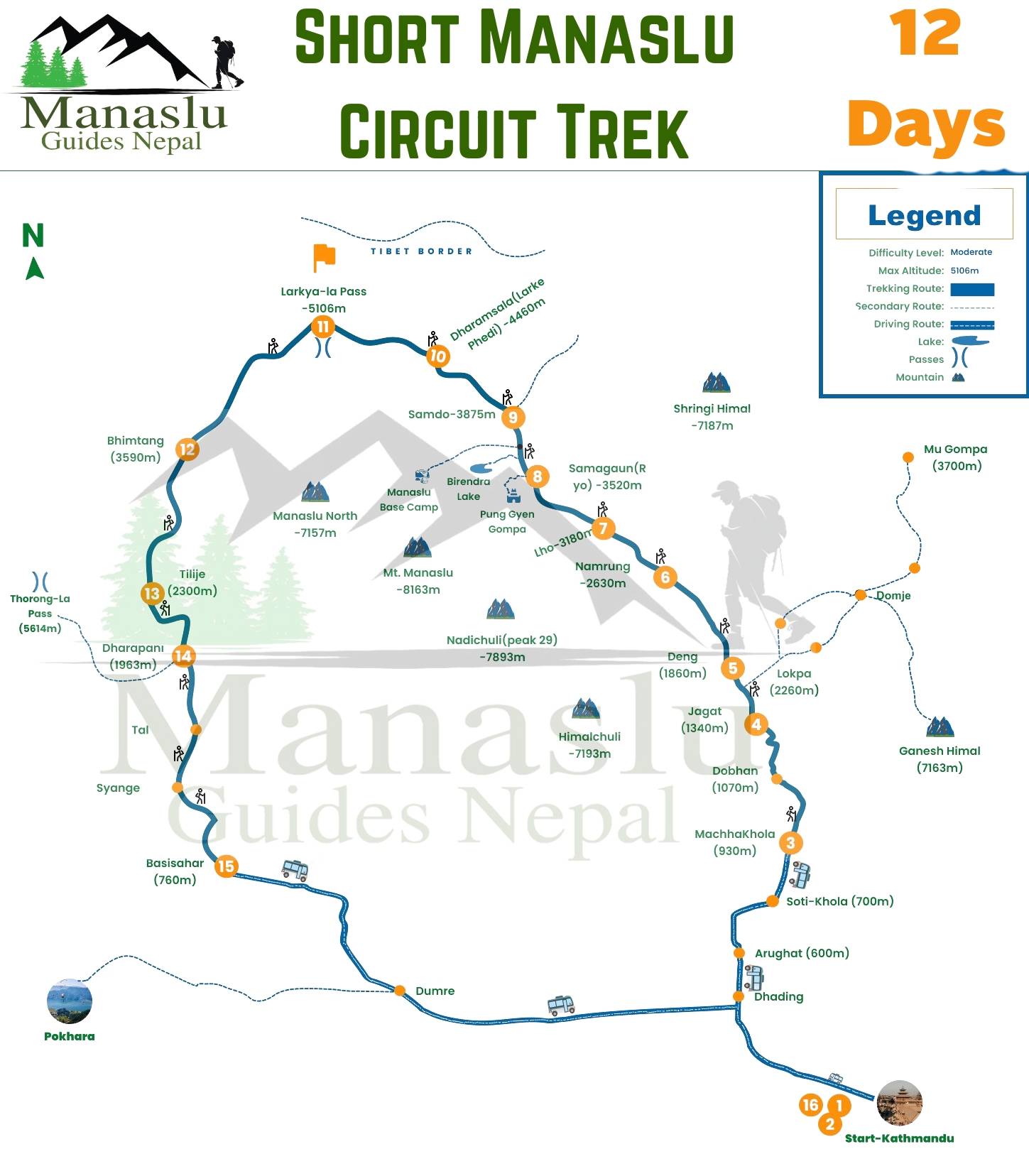
Start your journey with a scenic drive from Kathmandu to Machha Khola, which takes about 8-9 hours. The drive offers beautiful views of lush hills, winding rivers, and charming local villages. Upon arrival in Machha Khola, you will settle into a comfortable teahouse for the night, preparing for the trek ahead.
Max. Altitude: 870m/2,952Breakfast2/3 Stars Hotel
DAY 02
Machha Khola to Jagat
Route: Machha Khola → Dobhan → Jagat
Max Altitude: 1,340m / 4,396 ft
Distance: 22 km
Duration: 5 to 6 hours trek
Meal: Breakfast / Lunch / Dinner
Accommodation: Tea house / Lodge
Starting the trekking from Machha Khola to Jagat, a hike that lasts around 6-7 hours. The trail takes you across suspension bridges, through dense forests, and past small, picturesque villages. Along the way, you will experience the rich natural beauty of the region. Your day ends with an overnight stay in a teahouse in the village of Jagat.
Max. Altitude: 2,340m/ 7,676ftBreakfast / Lunch / DinnerTea house / Lodge3-4 hrs walk
DAY 03
Jagat to Deng
Route: Jagat → Philim → Deng
Max Altitude: 1,860m / 6,102 ft
Distance: 20 km
Duration: 5–6 hrs walk
Meal: Breakfast / Lunch / Dinner
Accommodation: Tea house/ Lodge
Continue your trek from Jagat to Deng, which also takes approximately 6-7 hours. The path meanders through lush forests and terraced fields, offering glimpses of rural life in Nepal. As you ascend, the landscape becomes even more scenic, with traditional villages dotting the trail. You will spend the night in a teahouse in Deng.
On day four, trek from Deng to Namrung, a journey of 6 to 7 hours. This section introduces you to the Tibetan influenced culture and architecture of the region. As you ascend higher, the villages reflect traditional Tibetan designs, providing a unique cultural experience. Overnight accommodation will be in a teahouse in Namrung.
Max. Altitude: 2,630m/8,628 ftBreakfast / Lunch / DinnerTea house / Lodge4-5 hrs walk
DAY 05
Namrung to Samagaon
Route: Namrung → Lho → Samagaon
Max Altitude: 3,520m / 11,548 ft
Distance: 9 km
Duration: 5–6 hrs walk
Meal:Breakfast / Lunch / Dinner
Accommodation: Tea house / Lodge
Trek from Namrung to Samagaon, takes about 6-7 hours. This part of the trek offers spectacular views of Mount Manaslu and other towering peaks. Samagaon is a larger village with a rich cultural heritage, where you can immerse yourself in the local Tibetan culture and traditions. You will stay overnight in a teahouse in Samagaon.
Max. Altitude: 3,520 m/11,548 ft.Breakfast / Lunch / DinnerTea house / Lodge5-6 hrs walk
DAY 06
Acclimatization Day in Samagaon
Route: Samagaon → Short hike to Pungyen Gompa / Birendra Lake
Max Altitude: 3,520m / 11,548 ft
Distance: Optional short hikes 2–5 km
Duration: 3–4 hrs light walk
Meal: Breakfast / Lunch / Dinner
Accommodation: Tea house / Lodge
Spend the day acclimatizing in Samagaon. You can choose to rest or take an optional hike to Manaslu Base Camp, which provides incredible views and insight into high-altitude mountaineering. Alternatively, explore the local monasteries to learn more about the region’s spiritual practices. Enjoy another night in a teahouse in Samagaon.
Max. Altitude: 3,520 m/11,548 ft.Breakfast / Lunch / Dinner Tea house / Lodge5-6 hrs walk
DAY 07
Samagaon to Samdo
Route: Samagaon → Samdo
Max Altitude: 3,875m / 12,713 ft
Distance: 8 km
Duration: 3–4 hrs trek
Meal: Breakfast / Lunch / Dinner
Accommodation: Tea house / Lodge
Trek from Samagaon to Samdo, a shorter hike of about 4-5 hours. The trail continues through villages with strong Tibetan influences, allowing for further cultural immersion. Samdo, located near the Tibetan border, is an ideal place to experience the unique culture and way of life of the local inhabitants. Overnight stay in a teahouse in Samdo.
Max. Altitude: 3,875 m/12,713 ft.Breakfast / Lunch / DinnerTea house / Lodge 3-4 hrs walk
DAY 08
Samdo to Dharmasala (Larkya Phedi)
Route: Samdo → Larkya Phedi → Dharamsala
Max Altitude: 4,460m / 14,633 ft
Distance: 6 km
Duration: 8–9 hrs trek
Meal: Breakfast / Lunch / Dinner
Accommodation: Tea house / Lodge
From Samdo, trek to Dharmasala, also known as Larkya Phedi, in 4-5 hours. This stop is a preparation point for the challenging Larkya La Pass that you will cross the next day. The night is spent in a teahouse in Dharmasala, ensuring you are well-rested for the demanding trek ahead.
Max. Altitude: 4,460 m/14,633 ft.Breakfast / Lunch / DinnerTea house / Lodge 8-9 hrs walk
The highlight of the trek is crossing the Larkya La Pass, which stands at 5,160 meters. This challenging trek takes about 8-9 hours from Dharmasala to Bimtang. The trail offers breathtaking views and requires a good level of fitness and acclimatization. After crossing the pass, you will descend to Bimtang, where you will stay overnight in a teahouse.
Max. Altitude: 3,590m/11,778 Ft (Larke- 5,106m/ 16,751 ft.Breakfast / Lunch / DinnerTea house / Lodge 8-9 hrs walk
DAY 10
Bimtang to Dharapani
Route: Bhimtang → Tilije → Dharapani
Max Altitude: 2,300m / 7,546 ft
Distance: 20 km
Duration: 7–8 hrs trek
Meal: Breakfast / Lunch / Dinner
Accommodation: Tea house / Lodge
Descend from Bimtang to Dharapani, a trek of about 6-7 hours. This part of the journey takes you through forests and offers stunning views of mountains and glaciers. The terrain becomes less challenging, allowing you to enjoy the serene beauty of the region. You will spend the night in a teahouse in Dharapani.
Max. Altitude: 2,300 m/7,546 ftBreakfast / Lunch / DinnerTea house / Lodge 7-8 hours walk
DAY 11
Dharapani to Besisahar
Route: Dharapani → Syange → Besisahar
Max Altitude: 760m / 2,493 ft
Distance: 40 km drive + short trek
Duration: 7–8 hrs trek /drive combined
Meal: Breakfast / Lunch / Dinner
Accommodation: Tea house / Lodge
Trek from Dharapani to Besisahar, which takes around 6-7 hours. This descent leads you through diverse landscapes and charming villages. Upon reaching Besisahar, you will be able to rest and reflect on your journey. Stay overnight in a local guesthouse in Besisahar.
Max. Altitude: 760m/ 2,493ftBreakfast / Lunch / DinnerTea house / Lodge7-8 hrs walk
Drive from Besisahar back to Kathmandu, which takes about 5-6 hours. Enjoy the scenic views along the way, with the chance to reminisce about your trek. Alternatively, you can opt to drive to Pokhara if you prefer to end your journey there. This concludes your 12-day Manaslu Circuit Trek with memories of stunning landscapes and cultural experiences.
If you’re interested in extending your adventure in Nepal, we offer a variety of exciting options. Discover the serene beauty of Pokhara, explore the wildlife in Chitwan National Park, or immerse yourself in the rich history with our Kathmandu Cultural Heritage Tours. For those looking for international experiences, we also offer tours to Tibet, India, and Bhutan.
Our standard itinerary may vary due to unforeseen circumstances like flight delays, weather changes, or health concerns. We advise arriving a day early to rest and prepare, with extra buffer days for international flights. The itinerary serves as a guideline and can be adjusted based on client preferences, fitness levels, and ground realities. If you're not satisfied or have an alternative plan please feel free to discuss it with us By Clicking :- ASK QUESTION or CUSTOMIZE YOUR TRIP.
Internal transport within Nepal as per the itinerary.
All necessary trekking and restricted area permits & fees.
Three meals a day during the trek
All accommodations during the trek in local teahouses.
An experienced, English-speaking, government-licensed, first aid-trained special trekking guide and assistant guide (5 trekkers: 1 assistant guide)
Duffel bag, (to be returned after trip completion), complementary trekking maps. If needed down jacket and sleeping bag will be provided in rent.
Staff costs include their salary, insurance, equipment, transport, food, and accommodation.
Rescue arrangements if necessary.
Basic First-aid kit (carried by your trekking guide)
All government and local taxes for Trekking, Agency service charges, and government tax/VAT.
Achievement Certificate
Cost Excludes
International airfare and Nepal visa fee.
Lunch and Dinner in Kathmandu
Extra night accommodation in Kathmandu because of early arrival, late departure, or early return from the mountain (due to any reason) than in the scheduled itinerary
Meal and accommodations. (can be arranged by the company as per the package agreement )
Personal insurance which covers medical, emergency evacuation, loss, or theft of property.
Personal gear and equipment.
Personal expenses such as laundry, hot showers, battery charging, Wifi, etc
Entry fees and costs for sightseeing (temples, monasteries, etc)
Tips and gratitude were provided to the guide and porter.
Join Fixed Departure
Fixed Departure Note
Join our group trek with a fixed departure date, or choose your own date with our Private Trip option, which offers daily availability.
Guaranteed: The trip will definitely run on this date.
Available: The trip will run once the minimum group size is met.
Limited: Only a few seats left—book soon!
Closed: No seats left for this group. Please consider a private trip.
Good Physical stamina.: You’ll be walking for 5-7 hours a day on uneven terrain, with steep climbs and descents. Having strong endurance will help you manage the daily trekking routine without getting too tired.
Strength and Stamina: The trek includes tough sections, especially while crossing the Larke La Pass (5,106m). Strength in your legs and core, along with overall stamina, will make it easier to handle the altitude and steep climbs.
Previous Trekking Experience: Although not absolutely required, having some experience in trekking, particularly at higher altitudes, is helpful. Since the trek moves quickly with fewer acclimatization days, being familiar with such conditions can make it more comfortable.
Cardiovascular Fitness: Trekking at high altitudes where oxygen levels are lower requires good lung and heart capacity. Doing cardio exercises like running, swimming, or cycling before the trek can improve your fitness and make the trek less exhausting.
Adaptability to High Altitudes: Reaching heights of over 5,000 meters means your body needs to adjust to the thinner air. Being fit can reduce the risk of altitude sickness and help you feel better at high altitudes.
Mental Toughness: Trekking in a remote region with long walking days requires a strong mindset. Staying mentally prepared will help you stay focused and push through the challenging days.
Flexibility and Balance: The trail can be rocky and uneven, so good flexibility and balance are important. Doing stretching exercises, yoga, or balance workouts will help you manage difficult terrain.
Regular fitness preparation is key to enjoying the trek without feeling overwhelmed by fatigue or physical strain. Ensuring you’re ready both physically and mentally will make the journey more rewarding and safe.
FAQ's
What is the duration of the Short Manaslu Circuit Trek?
The Short Manaslu Circuit Trek usually takes 10 to 12 days, depending on your pace and itinerary.
What is the Difficulty level of the Short Manaslu Circuit Trek?
The Short Manaslu Circuit Trek is moderate to challenging, suitable for trekkers with some prior experience and good basic fitness.
What is the highest altitude of the Short Manaslu Circuit Trek?
The Short Manaslu Circuit Trek reaches up to around 5,160 meters if it includes Larkya La Pass, or slightly lower passes in the short version.
Do I need special permits for the Short Manaslu Circuit Trek?
Yes, you need a Manaslu Restricted Area Permit (RAP) and a TIMS card to trek in the region.
When is the best season for the Short Manaslu Circuit Trek?
The ideal seasons for the Short Manaslu Circuit Trek are Autumn (September to November) and Spring (March to May) for clear skies, pleasant weather, and stunning mountain views.
Do I nedd to hire a guide or porter for the Short Manaslu Circuit Trek?
Hiring a local guide or porter is highly recommended for the Short Manaslu Circuit Trek for safety, navigation, and cultural insights along the trail.
What kind of accommodationis availabel on the Short Manaslu Circuit Trek?
Accommodation on the Short Manaslu Circuit Trek are basically tea houses and lodges in villages along the route. Facilities are simple but comfortable for trekkers.
What should I pack for the Short Manaslu Circuit Trek?
Essential items for the Short Manaslu Circuit Trek include warm clothing, trekking shoes, sleeping bag, rain gear, water bottle, and basic medecines.
Which trekking company is best for the Short Manaslu Circuit Trek?
Manaslu Guides Nepal is the recommended trekking company for the Short Manaslu Circuit Trek. They provide experienced local guides, reliable support, and assistance with all required permits, ensuring a safe and memorable trekking experience.
You may like this
Similar trip on Region
You may also like to explore similar packages from same region...explore more trips
 Moderate Trek
 USD $870 - 1160