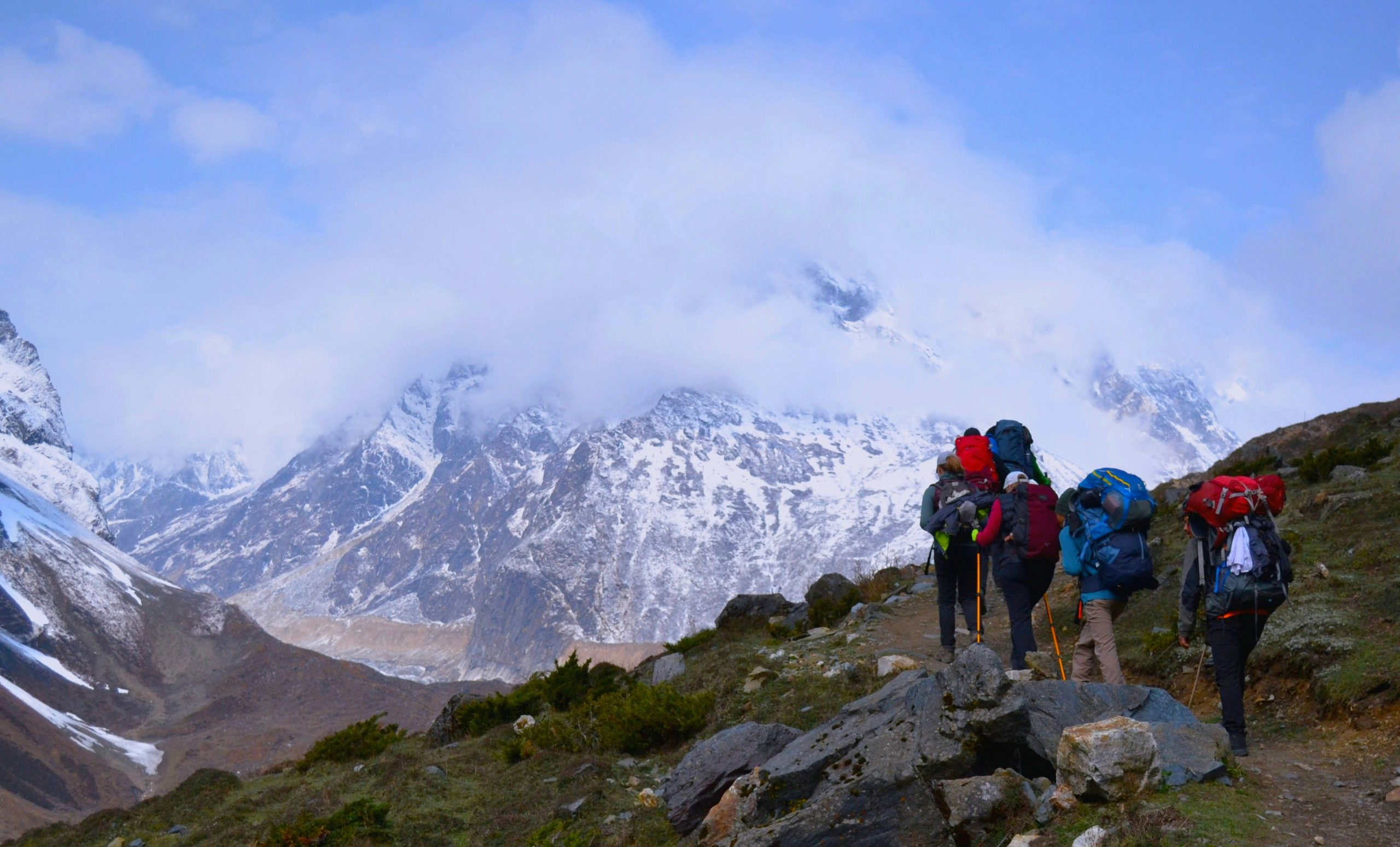
The Lower Manaslu Trek is moderate, with 5 to 7 hours of daily walking on varied trails, including steep climbs and river crossings.
Starts
Kathmandu
Ends
Kathmandu / Pokhara
Group Size
1 Pax
Best Season
Mar-May, Sep-Nov
Add On
- 200
TRIP HIGHTLIGHTS
Explore historical Gorkha Palace, home of the king Prithvi Narayan Shah.
Explore the local cultural and natural beauty .
Hiking to the new trekking route .
Incredible landscapes and breathtaking mountain views .
Visit cultural world Heritage sites in city.
TRIP OVERVIEW
“Lower Manaslu Trek 11 Days – Journey Through Nepal’s Hidden Gems”
Manaslu GuidesNepalinvites you to join the Lower Manaslu Treks, an 11-day adventure through one of Nepal’s most peaceful and culturally rich areas. This trek is ideal if you want to explore less-visited paths and experience the authentic beauty of Nepal.
The trek starts with a scenic drive from Kathmandu to Gorkha, a historic town known for its ancient architecture and historical importance. From Gorkha, the trail takes you through beautiful valleys, terraced fields, and lush forests. You’ll follow the Budhi Gandaki River and pass through charming villages like Arughat, Soti Khola, and Barpak. These villages are home to the Gurung and Magar people. You’ll get to see their traditional way of life, taste local food, and learn about their customs and festivals.
Along the way, you’ll enjoy breathtaking views of the Himalayas, including Manaslu, Ganesh Himal, and Shringi Himal. The trek will take you through vibrant rhododendron forests, over scenic suspension bridges, and beside peaceful river trails. You’ll also visit ancient monasteries and sacred sites that reflect the rich cultural and spiritual heritage of the area.
Table of Contents
The trek is moderately challenging, with daily walks of 5 to 7 hours. This pace helps you adjust to the altitude and take in the beautiful surroundings. The Lower Manaslu Treks is a great choice for those who want a Himalayan adventure without the extreme altitude.
After completing the trek, you’ll return to Kathmandu with unforgettable memories of stunning landscapes, cultural experiences, and personal achievements. Manaslu Guides will take care of all the details, from permits to accommodations. This allows you to fully enjoy the journey. Discover the hidden gems of the Lower Manaslu region and make lasting memories on this unique trek.
Best Season and Time For Lower Manaslu Treks
The best times for the Lower Manaslu Trekare in the spring and autumn. These seasons provide the most pleasant weather and clear views, making your trek enjoyable.
Spring (March to May):
Spring is a great time for the Lower Manaslu Treks. The weather is mild, with comfortable temperatures during the day and cooler evenings. The trails are filled with blooming rhododendrons and colorful wildflowers, which make the scenery even more beautiful. Clear skies and moderate temperatures make it perfect for trekking and taking photos. Spring also offers the chance to experience local festivals and cultural events.
Autumn (September to November):
Autumn is also an excellent time for the Lower Manaslu Trek. The weather is stable and clear, with pleasant temperatures and little rain. You’ll have great views of the Himalayas, including Manaslu and Ganesh Himal, thanks to the clear skies. The cool air and comfortable conditions make trekking easier and reduce the risk of altitude sickness. You might also see the local harvest season, giving you a glimpse of traditional farming and celebrations.
Monsoon and Winter:
The monsoon season (June to August) is not ideal for trekking due to heavy rain, which can make trails slippery and increase the risk of landslides. Winter (December to February) can also be difficult, with very cold temperatures and snow that can make trails challenging and increase the risk of altitude problems.
Culture in the Lower Manaslu Trek
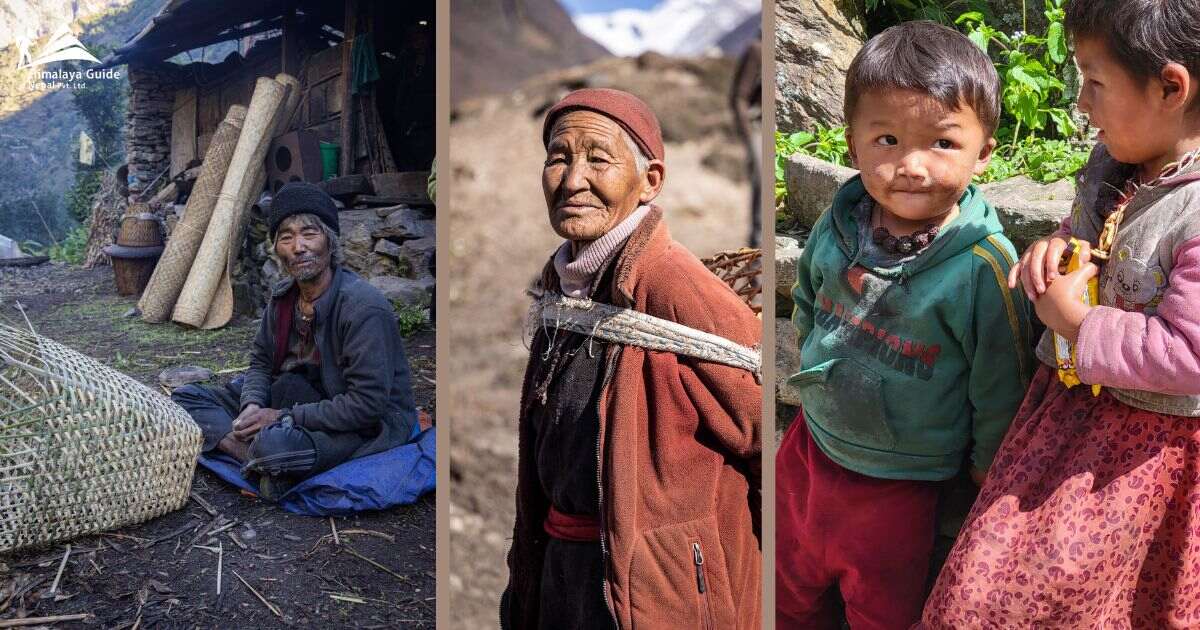
The Manaslu region in Nepal is known for its rich cultural diversity and traditional ways of life. The area is home to various ethnic groups, including the Gurung, Magar, and Tibetan communities. Each group adds its own unique touch to the region’s culture.
Gurung and Magar Communities: The Gurung and Magar people are the main ethnic groups in the lower Manaslu area. Their traditional villages feature stone houses and terraced fields. The Gurung people are famous for their lively festivals and dances, while the Magar people have their own unique customs and ceremonies. Both groups celebrate local festivals with traditional music, dance, and food, giving visitors a chance to experience their culture up close.
Tibetan Influence:
As you travel north, you’ll notice a stronger Tibetan influence. This is seen in the architecture of the villages, with their flat-roofed houses and Buddhist monasteries. The Tibetan people follow customs similar to those in Tibet, including spinning prayer wheels and maintaining gompas (monasteries) where monks perform traditional rituals.
Religious Practices:
The Manaslu region blends Hindu and Buddhist practices. Along the trekking routes, you’ll see stupas, chortens, and mani walls. These structures are important for local spiritual life and offer a peaceful place for meditation.
Festivals and Traditions:
The region hosts several traditional festivals throughout the year. Festivals like Tihar, Dashain, and Lhosar (Tibetan New Year) are celebrated with enthusiasm. During these times, you can see traditional rituals, and lively processions, and enjoy local feasts. These festivals offer a glimpse into local customs and the close-knit nature of the communities.
Crafts:
Local crafts, such as weaving and woodworking, are an important part of the culture. Handmade items like rugs and baskets showcase the artistic skills of the people.
Food and Accommodation Food:
On the Lower Manaslu Treks, you’ll enjoy a variety of Nepali and international dishes. Meals are served at guesthouses and tea houses along the way.
Breakfast: You can have options like Tibetan bread, porridge, or eggs with tea or coffee. Traditional Nepali items such as sel roti (rice doughnuts) and curd are also available.
Lunch and Dinner: Meals often include dal Bhat (lentil soup with rice), momos (dumplings), and various curries. You’ll also find pasta, noodles, and soups. The food is fresh and meant to refuel you after a day of trekking.
Special Dietary Needs: If you have dietary restrictions, let your trek operator know in advance. Most tea houses can accommodate vegetarian, vegan, and gluten-free diets, though options might be limited in remote areas.
Accommodation:
During the trek, you’ll stay in local guesthouses and tea houses, which offer a cozy and authentic experience.
Guesthouses: These are simple, family-run lodges with basic rooms. Rooms usually have twin beds, a mattress, and a blanket. Bathrooms can be shared or private, depending on the guesthouse.
Tea Houses: These traditional lodgings provide a comfortable place to rest. They typically have communal dining areas where you can eat and meet other trekkers.
Facilities: Guesthouses and tea houses offer basic amenities. Most have hot showers (sometimes for an extra fee), places to charge devices, and Wi-Fi in larger villages. Some also provide laundry services and snacks.
Guides from Manaslu Guides: Guides from Manaslu Guides will accompany you on your trek. They are experienced and knowledgeable about the region. They will help with navigation, share insights about local culture, and assist with any special needs. Their presence ensures a safer and more enjoyable trekking experience.
Flora and Faunain Lower Manaslu Region
Flora
The flora of theLower Manaslu Trek is both diverse and striking. One of the highlights is the vibrant rhododendron forests that bloom in spring, with trees adorned in pink, red, and white flowers, creating a breathtaking contrast against the lush greenery. At lower elevations, you’ll find dense forests of pine and oak trees that offer a cool, shaded environment, making your trek more comfortable. Additionally, the region is home to various medicinal plants used in traditional Nepali medicine, often found in the forest undergrowth. As you climb higher, the vegetation changes to include alpine shrubs and grasses that thrive in the cooler temperatures of higher altitudes, adding to the trek’s varied and beautiful landscape.
Fauna
The Lower Manaslu Trek offers a rich variety of wildlife. Among the mammals you might spot are the elusive red panda and the Himalayan tahr, both of which are rare and fascinating to see. The forests and lower altitudes are also home to various deer and monkeys, adding to the region’s diverse mammalian life. For bird enthusiasts, the trek is particularly rewarding, with opportunities to observe colorful species such as the Himalayan Monal, as well as different eagles and vultures soaring overhead. The area is also populated with numerous insects, including butterflies and dragonflies, especially in the warmer lower altitudes. This variety of fauna enhances the Lower Manaslu Trek, providing a dynamic and engaging natural experience.
Conservation:
The Lower Manaslu region is part of the Manaslu Conservation Area, which works to protect its unique wildlife and habitats. Conservation efforts aim to preserve the natural environment while promoting responsible tourism.
Difficulty in Lower Manaslu Treks
Discover peace and culture on the Lower Manaslu trail.
The Lower Manaslu Trek is generally classified as moderate in terms of difficulty, making it suitable for trekkers who are reasonably fit and have some experience. The trek features a range of terrains, including steep climbs and descents, which can be demanding. Trekkers will navigate through dense forests, terraced fields, and isolated villages, with several uphill stretches that test your endurance. Although the highest point on the trek is not extremely high, altitude-related issues can still arise for those who are not well-acclimatized. Expect to walk for 5 to 7 hours each day, which can be strenuous. Weather conditions also play a significant role; rain or snow can make the trails slippery and more challenging.
Additionally, the Lower Manaslu Trek may involve crossing several riverbeds and navigating rocky paths, requiring careful footing. While the Lower Manaslu Treks is accessible for those in good health and with some trekking background, it demands physical preparedness and a willingness to handle varying and sometimes tough conditions. Proper training and acclimatization will help in managing the trek’s demands and ensuring a rewarding experience.
Safety and Guide
Safety is crucial on the Lower Manaslu Trek, and having a skilled guide is essential for a secure and enjoyable journey. Experienced guides understand the terrain, weather, and potential risks, helping you stay on track and safe. We assist with acclimatization to prevent altitude sickness are prepared to manage emergencies, such as injuries or sudden weather changes, and can arrange for quick medical assistance if needed. We also offer valuable insights into local culture and customs, enhancing your trekking experience. We handle practical details like permits, food, and accommodation, making the trek smoother and less stressful.
With guides from Manaslu Guides, you’ll receive additional support and reassurance, ensuring that every aspect of your trek is well-managed. Our team is dedicated to making your adventure safe, enjoyable, and memorable, so you can fully appreciate the stunning landscapes and unique experiences of the Lower Manaslu region.
Permits for this Trek
To do the Lower Manaslu Trek, you need several permits to legally and smoothly travel through the region. Here’s what you need:
Manaslu Conservation Area Permit (MCAP):
This permit is required to enter the Manaslu Conservation Area. It helps protect the local environment and wildlife.
Tsum Valley Restricted Area Permit (RAP):
While the Lower Manaslu Treks don’t go through the Tsum Valley, this permit may be needed as a precaution for nearby areas.
Trekkers’ Information Management System (TIMS) Card:
The TIMS Card is necessary for all trekkers. It helps keep track of your itinerary and supports rescue operations if needed.
Our Team will help you get all these permits. We make sure all the paperwork is done correctly and on time, so you can enjoy your trek without worrying about administrative details.
Packing List for Lower Manaslu Treks
Clothing
For the Lower Manaslu Treks, pack clothing that will keep you comfortable and protected. Start with lightweight thermal base layers to stay warm. Bring moisture-wicking trekking shirts that dry quickly and a fleece or insulating jacket for extra warmth. A waterproof jacket is essential to keep out rain and wind. Choose durable and comfortable trekking pants for hiking. Include warm hats and gloves for cold weather and a sun hat for sun protection during the day. Pack several pairs of trekking socks, including some that are warmer for added comfort.
Footwear
Good footwear is crucial for the trek. Wear sturdy, comfortable trekking boots with good ankle support to handle uneven terrain. Make sure your boots are broken in to prevent blisters. Also, bring a pair of camp shoes, like lightweight sandals or sneakers, to wear when you’re not hiking.
Gear
Bring the right gear for a smooth trek. A comfortable and well-fitted backpack is important for carrying your gear. A quality sleeping bag rated for the temperatures you’ll face is necessary for a good night’s sleep. Trekking poles are helpful for extra stability on tricky parts of the trail.
Personal Items
Pack essential personal items for your trek. Carry a water bottle or hydration system to stay hydrated. Sunscreen and lip balm will protect your skin from the sun. A basic first aid kit is useful for minor injuries. A headlamp or flashlight with extra batteries will help you see in the dark.
Miscellaneous
Include some extra items to make your trek more enjoyable. A camera will let you capture the beautiful scenery. High-energy snacks like nuts, energy bars, and dried fruit will keep you energized. Bring personal hygiene items such as biodegradable soap and a toothbrush. Make sure you have all necessary travel documents, including permits and your passport, to avoid any problems during your trek. Adjust your packing based on the weather and season to be well-prepared for your adventure.
Why Manaslu Guides Nepal for this Trek?
Choosing Manaslu Guides for your Lower Manaslu Treks offers many benefits. Our guides are not only experienced but also local to the Manaslu region, so they know the area well and can help you navigate the trail safely. They are trained to handle weather changes and altitude issues, giving you peace of mind throughout your trek.
Manaslu Guides provide valuable insights into the local culture, history, and nature, making your trek more interesting and connecting you with local communities. Since we are from the Manaslu region, we are familiar with the area’s unique features and challenges, which enhances your trekking experience. We handle all the details, such as permits, food, and lodging, allowing you to enjoy your trek without worrying about logistics.
Our guides are also trained in first aid and can manage emergencies, ensuring your safety and comfort. With Manaslu Guides, you receive expert advice, genuine cultural experiences, and reliable support, all from a team that is deeply connected to the Manaslu region, making your Lower Manaslu Trek both enjoyable and memorable.
Itinerary
Expand AllCollapse
All
DAY 01
Arrival and Transfer to Hotel (1360m)
Route: Arrival in Kathmandu → Hotel Max Altitude: 1,400m/4,593ft. Distance: 5.5–6 km Duration: 15–20 mins Meal: Breakfast Accommodation: 4 Star Hotel
Upon landing at Tribhuvan International Airport, you will be warmly welcomed by our team and transferred to your hotel in Kathmandu. This initial day allows you to unwind and adjust to the vibrant city environment. Take this opportunity to relax and explore the local surroundings at your own pace. Settle into your comfortable accommodations and prepare yourself mentally and physically for the adventure that awaits. Enjoy a leisurely evening, perhaps sampling some local cuisine or taking a stroll through the city, as you prepare for the trek ahead.
Max. Altitude: 1,400m/4,593ft.Breakfast2/3 Stars Hotel
DAY 02
Trek Preparation and Staff Introduction
Route: Kathmandu Max Altitude: 1,400m/4,593ft Distance: 3–4 km Duration: 3–4 hours trek Meal: Breakfast / Lunch / Dinner Accommodation: 4 Star Hotel
Today is focused on getting ready for your trek. You’ll meet your trekking team and receive a detailed briefing about the journey ahead. They will explain the itinerary, check your equipment, and review safety guidelines. This meeting will help you understand what to expect and make sure you’re fully prepared. It’s a great time to ask any questions you might have about the trek. By the end of the day, you’ll feel confident and ready for the adventure that awaits.
Breakfast / Lunch / Dinner2/3 Stars Hotel3-4 hrs walk
Today, you’ll start with a scenic drive from Kathmandu to Baseri. As you travel, you’ll pass through beautiful landscapes, lush green valleys, and charming villages. This drive offers a sneak peek of the stunning scenery you’ll see on your trek. It also gives you a chance to enjoy the diverse terrain of the region. The journey is not just about getting from one place to another; it’s an opportunity to appreciate the natural beauty and local culture before you begin your trek. Relax and take in the views as you make your way to Baseri.
Route: Baseri → Kashigaun → Yarsa Max Altitude: 2,000m (approx.) Distance: 20 km Duration: 4–5 hours trek Meal: Breakfast / Lunch / Dinner Accommodation: Tea house / Lodge
Today, your trekking adventure begins with a 20-kilometer journey from Baseri to Yarsa. As you trek, you’ll experience a variety of landscapes, from terraced fields to lush forest paths. This change in scenery lets you fully enjoy the natural beauty around you. The trek will help you adjust to the physical demands of hiking while offering breathtaking views along the way. Take your time to absorb the environment and get used to the rhythm of the trek. It’s a perfect opportunity to connect with nature and prepare for the days ahead.
Breakfast / Lunch / DinnerTea house / Lodge4-5 hrs walk
DAY 05
Trek from Yarsa to Kerauja Village
Route: Yarsa → Kashigaun → Kerauja Village
Max Altitude: 2,070m Distance: 18 km Duration: 5–6 hours trek Meal: Breakfast / Lunch / Dinner Accommodation: Tea house / Lodge
Today’s trek takes you from Yarsa to Kerauja village. Along the way, you’ll experience the charm of traditional mountain life. As you walk through Kerauja, you’ll see local customs up close and meet the welcoming residents. Take time to enjoy the peaceful and beautiful surroundings. This village offers a glimpse into the authentic lifestyle of the area and provides a unique opportunity to connect with the local culture.
Breakfast / Lunch / DinnerTea house / Lodge5-6 hrs walk
DAY 06
Trek from Kerauja to Tatopani
Route: Kerauja → Khorlabesi → Tatopani Max Altitude: 1,250m Distance: 15 km Duration: 5–6 hours trek Meal: Breakfast / Lunch / Dinner Accommodation: Tea house / Lodge
Today, you’ll trek from Kerauja to Tatopani. The route features breathtaking views and leads you to Tatopani, where you can relax in the natural hot springs. This day’s trek not only showcases beautiful landscapes but also offers a chance to unwind and soak in the soothing hot springs. It’s the perfect way to refresh yourself after the hike and enjoy a moment of relaxation amidst nature.
Breakfast / Lunch / DinnerTea house / Lodge 5-6 hrs walk
DAY 07
Trek from Tatopani to Uiya
Route: Tatopani → Dobhan → Uiya Max Altitude: 1,730m Distance: 10 km Duration: 3–4 hours trek Meal: Breakfast / Lunch / Dinner Accommodation: Tea house / Lodge
Today’s trek takes you from Tatopani to Uiya, leading you through peaceful landscapes and remote areas. This part of the journey is marked by its calmness, allowing you to truly connect with nature. As you walk, enjoy the serene environment and the sense of tranquility that accompanies this stretch of the trek.
Breakfast / Lunch / DinnerTea house / Lodge 3-4 hrs walk
DAY 08
Trek from Uiya to Laprak
Route: Uiya → Singla → Laprak Max Altitude: 2,200m Distance: 18 km Duration: 8–9 hours trek Meal: Breakfast / Lunch / Dinner Accommodation: Tea house / Lodge
Your trek continues from Uiya to Laprak, a village renowned for its traditional mountain lifestyle and stunning views. Laprak offers a unique look into local culture and provides impressive vistas of the surrounding peaks. This stop is a highlight of the trek, offering a memorable experience with its beautiful scenery and rich cultural atmosphere.
Breakfast / Lunch / DinnerTea house / Lodge 8-9 hrs walk
DAY 09
Trek from Laprak to Barpak
Route: Laprak → Gupsi Danda → Barpak Max Altitude: 1,900m Distance: 16 km Duration: 8–9 hours trek Meal: Breakfast / Lunch / Dinner Accommodation: Tea house / Lodge
After completing our 7 days finally we move towards the barpak for our 8 days trek. This village is knows as second Kathmandu it is famous for tourist area from where we can see mountain, hills and other thing that we can no fine in other area of Nepal . It is a village situated in the northern part of the Gorkha district of Nepal, in the Barpak village development committee. It is inhabited by Gurungs, Ghales, Sunwars, Pariyars and others. In 25th April 2015 massif earth quake of 7.9 magnitude rocked Barpak that badly damaged many houses, forcing number of residents, who spent nights in open area and emergency shelter. This naturally decorated village turned into mess within the minute because of devastating natural force killing many people and leaving hundreds of people injured. But the village is under reconstruction and instate of reincarnation again. Earthquake did affect the residents but the beauty and purity is still the same. The flock of tourist, students, NGOs- INGOs, government staffs and diplomat is significantly increasing in rapid manner. Hike up to nearby Mumche hill, to have clear and panoramic view of Ganesh Himal, Buddha Himal, Siringe Himal, Manaslu Himal and Himchuli. The exceptional view of Daraundi River descending from Gorkha Himal and Ghhulung glacier in Manaslu region passing through impressive gorge of tropical forest has added the perk of Barpak village tour.
Breakfast / Lunch / DinnerTea house / Lodge 8-9 hrs walk
DAY 10
Trek from Barpak to Gorkha Bazar
Route: Barpak → Manbu → Gorkha Bazar Max Altitude: 1,100m Distance: 20 km Duration: 7–8 hours trek Meal: Breakfast / Lunch / Dinner Accommodation: Tea house / Lodge
We start our trek to Gorkha Bazaar after breakfast. Gorkha is a historic birth place of king Prithivi Narayan Shah the first of Nepal. The historical Gorkha palace from where King Prithivi Narayan Shah initiated unification of modern Nepal is perched one thousand feet above Gorkha Bazaar this place dominates the surroundings and is visible from all surrounding area. It is regarded as a holy shrine. It also offers visitors with fantastic views of green valleys and the Himalayan panorama.
Breakfast / Lunch / DinnerTea house / Lodge7-8 hours walk
DAY 11
Drive to Kathmandu or Pokhara
Route: Gorkha Bazar → Abukhaireni → Mugling → Kathmandu / Pokhara Max Altitude: 1,400m Distance: 140–160 km Duration: 7–8 hours drive Meal: Breakfast / Lunch / Dinner Accommodation: 4 Star Hotel
Finish your journey with a drive to either Kathmandu (1400m) or Pokhara (822m). This final leg of the trip, which takes around 5 to 6 hours by tourist bus, offers one last chance to enjoy Nepal’s beautiful landscapes. As you travel, take in the scenic views and prepare for your departure from this remarkable adventure.
Breakfast / Lunch / Dinner4 Star Hotel7-8 hrs walk
Itinerary Note
If you’re interested in extending your adventure in Nepal, we offer a variety of exciting options. Discover the serene beauty of Pokhara, explore the wildlife in Chitwan National Park, or immerse yourself in the rich history with our Kathmandu Cultural Heritage Tours. For those looking for international experiences, we also offer tours to Tibet, India, and Bhutan.
Our standard itinerary may vary due to unforeseen circumstances like flight delays, weather changes, or health concerns. We advise arriving a day early to rest and prepare, with extra buffer days for international flights. The itinerary serves as a guideline and can be adjusted based on client preferences, fitness levels, and ground realities. If you're not satisfied or have an alternative plan please feel free to discuss it with us By Clicking :- ASK QUESTION or CUSTOMIZE YOUR TRIP.
Airport pick up and drop off by Car, jeep, Hiace or Bus. Depends on the number of arrives.
Complimentary welcome or farewell dinner according to the suitability of our client’s time.
Beginning two nights stay on arrival in Kathmandu in tourist standard hotel with breakfast included (twin share basis)
OPTIONAL: Three meals a day during the trek (If of required, we provide meal during the trekking)
OPTIONAL: All accommodation during trek (If of required we arrange all accommodation)
An experienced, English-speaking, government-licensed, first aid trained Lower Manaslu special trekking guide and assistant guide (5 trekkers: 1 assistant guide)
An expert Annapurna porter (2 trekkers: 1 porter)
Rescue arrangements if necessary.
Basic First-aid kit (carried by your trekking guide).
All government and local taxes for Trekking, Agency service charge and government tax/vat.
Achievement Certificate.
Cost Excludes
International airfare and Nepal visa fee.
Lunch and Dinner in Kathmandu
Extra night accommodation in Kathmandu because of early arrival, late departure, early return from mountain (due to any reason) than in the scheduled itinerary
Meal and accommodations. (can be arranged by company as per the package agreement )
Personal insurance which covers medical, emergency evacuation, loss or theft of property.
Personal gears and equipment.
Personal expenses such as laundry, hot showers, battery charging, Wifi, etc
Entry fees and costs in sightseeing (temples, monasteries, etc)
Tips and gratitude provided to guide and porter.
Join Fixed Departure
Fixed Departure Note
Join our group trek with a fixed departure date, or choose your own date with our Private Trip option, which offers daily availability.
Guaranteed: The trip will definitely run on this date.
Available: The trip will run once the minimum group size is met.
Limited: Only a few seats left—book soon!
Closed: No seats left for this group. Please consider a private trip.
We can see the natural beauty of forests, rivers, and flora of the Manaslu region
We can see the friendly people and best culture of the region which includes in Nepalese and Tibetan ethnic groups.
Pass height point of Visit cultural world Heritage sites in city.
Incredible landscapes and breathtaking mountain views .
Hiking to the new trekking route .
Explore the local cultural and natural beauty .
Explore historical Gorkha Palace, home of the king Prithvi Narayan Shah.
Visit cultural world Heritage sites in city.
Hiking to the new trekking route as well as.
FAQ's
ABOUT LOWER MANASALU
Lower Manaslu Trek route is one of the nice less touristy route in Manaslu region, this route covered historical, religious, ecological and cultural importance and view of mountains. It has every potential to be featured as one of the favored touristic destinations of Nepal. However, due to a new trekking route, numbers of tourists are very less in this region. Besides the manasalu trek Lower Manaslu route offers moderate trekking; historical tour, pilgrimage tours, agro-tourism, and community lodge and homestay system. Lower Manaslu Trekking area local people are very friendly and good hospitality for the visitor in this area. The time period of 17th century King Prithvi Narayan Shah, the founder of `Shah Dynasty’ which runs Nepal 240 years, unified Nepal into one kingdom.
What is the weather in lower Manaslu region?
One of the significant factor for the consideration during trekking in lower Manaslu is the climate of the area. Lower Manaslu trek temperature and climate changes during the time from bright to cold and dry to wet. Rapidly evolving climate, mists exchanges with radiant minutes, humidity and strong winds, the travelers should be set up for wet, dry, cold, and warm weather. This makes trekking experience progressively delightful. Manaslu Circuit trek climate is radiant during the day, yet cold during the night. The trek is the combination of cultural and natural beauty, you’ll appreciate brilliant scenes and perspective on snow-topped mountains.Lower Manaslu Trek is an incredible experience
Is it difficult to trek to lower Manaslu region?
The travelers are not need to do vertical climbing so there is no any need of ropes and ice picks. The travelers should be healthy in order to walk and stay in the evolving climate. As long as the traveler can sustain in the environment and walk for 6-7 hours per day the trekking is no more difficulty. The potters are also available for sharing the bags during the trip. The potters availability will be according to the travelers concern.
Is trekking poles necessary for lower Manaslu Trek?
While travelling through the rough roads trekking poles helps to walk easily for the trekkers. We prefer to use it for the travelers because it balances your body and legs to travel safely.
What are the tips for avoiding altitude sickness in Lower Manaslu trek?
There are some tips to which our company would like to guide for the travelers to avoid altitude sickness; such as:
Avoiding the drinks which contains the caffeine added, smoking and alcohol
Travel slowly concerning your health
Drinking more amount of water i.e. minimum 3-4 liters per day
Being familiarized with the environment and having a healthy foods and beverage
Continuing with Diamox if needed, it is carried for the backup
We prefer Garlic soups to sustain the environment
Is drinking water available everywhere during the Lower Manaslu Trek?
Required supplies for the trek will be available in the transits houses which also stores the filtered water. The water bottles are available in plastic bottles but there is no any recyclable plastic service are available in trek zones, we urge trekkers for bringing the chlorine tablets for filtering the water and also use filter water in the transits houses.
Is permit necessary for Lower Manaslu Trek
Yes, the trekkers are definitely needed a permit for the Lower Manaslu Trek. The trekkers are not need to worry about the permits, our company can get the trekkers permit once the trekkers book the trek in our company.
What is the luggage limit for porter?
Actually we limit the luggage for the porter. The limitation for the luggage of the porter is 20 kg. for the two trekkers one porter is given by our company. The luggage limit is kept so that the porter won’t be over loaded. They are there to raise the spirit of the trekkers, help trekkers, love and take care of trekkers. They give their best effort to reach the trekkers to their destination safely. The porters of our company are well trained and are from the local region.
Will the meal be easily available on the trek to Lower Manaslu Trek?
No any five star hotel is available in trek regions but the transit houses has a menu with the local food. Fresh foods are available in this region. Daal Vaat Tarkari Achar is available as a traditional meal also snacks, soft drinks, soups and beer are available. The guest house or the home stay serves food which is available there according to the guest’s need.
Does the company gives pick up service?
Yes pick up and drop off service is available 24/7 in our company . The representative of our company will be there to receive our clients outside the arrival of TIA holding the name of him/her in the brochure. They will guide our clients towards the booked hotels through private transportation.
What if I don’t feel well during the Lower Manaslu Trek?
We prefer our clients to take a personal health kit as a safety of their health. If dizzy or weak is felt then the guide will be there to help you. The traveler must take a rest and keep themselves warm until the medical support is available. If no any progress them the guide will carry the patient down. Helicopter rescue is given for the serious issues.
Is there the availability of gear in Nepal?
Yes, definitely. Our company will assist you to the shops where knock-off gears will be available in Kathmandu. The gears will be also available in rent in case the trekkers don’t want to buy.
Can I trek the Lower Manaslu Trek solo?
Trekking solo in Lower Manaslu Trek is forbidden. You have to trek in a group or with a partner. if you are unable to find a trekking partner, please keep on touch we can make some arrangement.
You may like this
Similar trip on Region
You may also like to explore similar packages from same region...explore more trips


 Moderate Trek
 USD $870 - 1160