The Manaslu Nar Phu Valley Trek is challenging but rewarding, with steep trails, rocky paths, and high passes above 5,000m. Trekkers typically walk 5 to 7 hours a day. Good fitness and some trekking experience are recommended, and the stunning landscapes and remote villages make it truly unforgettable.
Starts
Kathmandu
Ends
Kathmandu / Pokhara
Group Size
1 Pax
Best Season
Mar-May, Sep-Nov
Add On
Kathmandu To Lukla Helicopter Flight - 200
TRIP HIGHTLIGHTS
Sightseeing around the Kathmandu Valley including UNESCO world historical heritage sites.
Explore Annapurna’s most remote and untouched region.
Amazing landscape views
Observe Tibetan culture and life style of the area.
Adventurous camping trek towards the beautiful Narphu Valley.
TRIP OVERVIEW
“Manaslu Nar Phu Valley Trek: Explore the Untouched Himalayan Trails.”
Discover the Manaslu Nar Phu Valley Trek with Manaslu Guides. This exceptional journey combines the untouched splendor of the Manaslu region with the hidden allure of the Nar Phu Valley, providing adventurers with an opportunity to explore remote Himalayan paths, diverse cultures, and magnificent scenery.
The journey to the Manaslu Nar Phu Valley Trek begins by heading to Machha Khola, passing through thick forests, terraced fields, and local villages. Progressing along the route leads to the Manaslu Conservation Area, celebrated for its abundant biodiversity and wildlife, including the elusive snow leopard. The path climbs through the Budi Gandaki River Valley, unveiling awe-inspiring views of Manaslu, the world’s eighth-highest peak, and other towering mountains.
When you arrive at the village of Samagaon, you’ll immerse yourself in the vibrant Tibetan culture that flourishes in this area. The presence of monasteries, mani walls, and prayer flags reflects the strong spiritual bond between the local community and their environment.
As you venture further into the Nar Phu Valley, you depart from the well-trodden paths of theManaslu Circuitand enter a concealed realm of ancient Tibetan communities, narrow ravines, and high-altitude meadows. This secluded valley has been largely unaffected by modern progress, safeguarding its unspoiled allure and distinct cultural legacy.
Table of Contents
The Manaslu Nar Phu Valley Trek encompasses traversing numerous lofty passes, including the formidable Larke La Pass (5,106 meters), which provides sweeping vistas of the Annapurna and Manaslu mountain ranges. The journey to the Manaslu Nar Phu Valley Trek is both challenging and fulfilling, bestowing a sense of achievement upon all hikers.
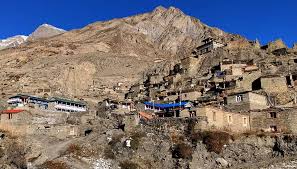
Following the pass, the route descends into the Nar Phu Valley, where you’ll encounter the remote villages of Nar and Phu. These settlements, characterized by their stone dwellings, narrow pathways, and ancient Buddhist monasteries, offer a glimpse into a way of life that has persevered unchanged for centuries.
The Manaslu Nar Phu Valley Trek provides an ideal option for individuals seeking a secluded and less frequented path in the Himalayas. The Manaslu Nar Phu Valley allows the chance to discover two of Nepal’s most stunning and culturally significant areas during one expedition. Regardless of whether you are a seasoned trekker or an enthusiastic explorer, the Manaslu Nar Phu Valley Trek guarantees remarkable experiences and enduring memories.
The Manaslu Nar Phu Valley Trek presents a formidable challenge, given its remote setting, high elevations, and rugged terrain. Throughout the journey, trekkers will traverse diverse landscapes, including subtropical forests, terraced farmlands, high-altitude deserts, and steep mountain passes. T
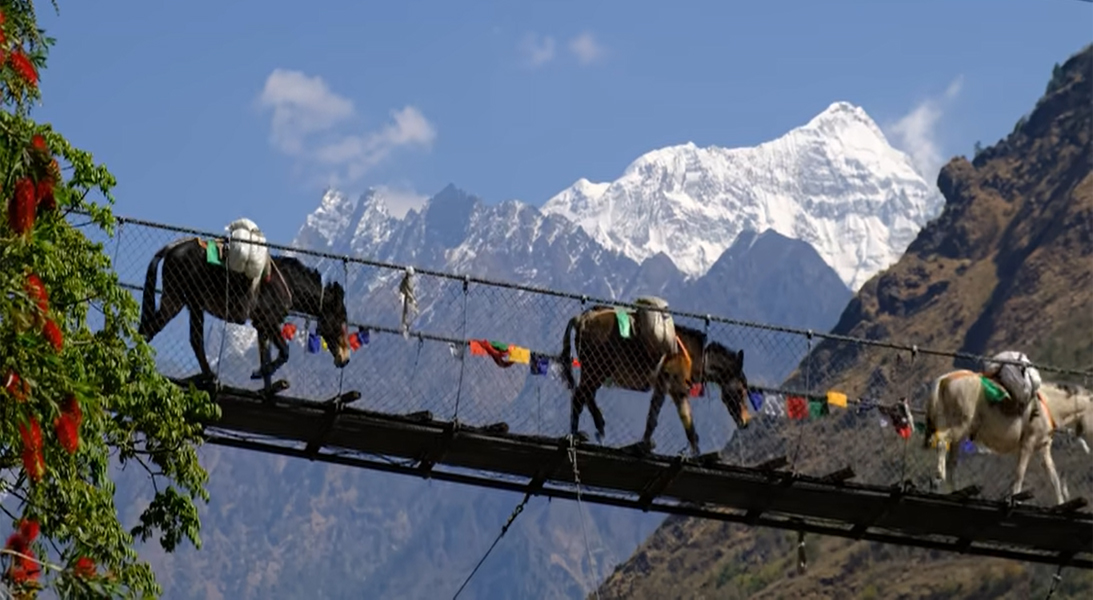
rekkers will need to navigate narrow trails, steep inclines, and descents, and cross numerous suspension bridges spanning swift-running rivers.
One of the most demanding parts of the Manaslu Nar Phu Valley Trek is the traversal of the Larke La Pass, which sits at an elevation of 5,106 meters. Crossing this high pass necessitates a high level of physical fitness, stamina, and proper acclimatization.
The path to the Manaslu Nar Phu Valley Trekis steep and may be blanketed in snow, particularly during colder periods, increasing the challenge and time required. Furthermore, weather conditions at these lofty elevations can change swiftly, compounding the trek’s difficulty.
In addition, the Manaslu Nar Phu Valley Trek occurs in a secluded area with limited access to amenities and infrastructure. The trails are not as developed as those in more popular trekking areas such as the Annapurna or Everest regions, and the accommodation choices are basic. Trekkers should be prepared for lengthy walking days, typically lasting 6 to 8 hours per day, and be willing to cope with the absence of modern conveniences.
The altitude itself presents another significant challenge, as altitude sickness can impact even seasoned trekkers. Adequate acclimatization days are essential to adapt to the thinner air and minimize the risk of Acute Mountain Sickness (AMS). As a result of these factors, the Manaslu Nar Phu Valley Trek is suitable for individuals with previous trekking experience, good physical fitness, and a sense of adventure, as it demands both mental and physical readiness to complete successfully.
Best Season/Time for Manaslu Narphu Valley Trek
Spring (March to May)
The Manaslu Nar Phu Valley Trek shines during spring when the weather is stable and perfect for trekking, with clear skies and moderate temperatures. The trails are brightened by blossoming rhododendrons and wildflowers, creating lively landscapes.
The stunning views of snow-capped peaks like Manaslu and Annapurna are particularly breathtaking during this time. Spring is also an ideal season for wildlife enthusiasts, as animals are more active in the warmer weather.
Summer/Monsson(June to August)
Summer brings the monsoon season to Nepal, resulting in heavy rainfall in the region. The Manaslu Nar Phu Valley Trek is less popular during this time due to slippery trails, landslides, and frequent encounters with leeches in the lower altitudes.
However, the ManasluNar Phu Valley, nestled in the rain shadow of the Himalayas, receives less rain compared to other areas. Trekkers who opt for this season should be prepared for rain and comfortable with the added challenges. On a positive note, the trails are less crowded, and the valleys are lush and green.
Autumn (September to November)
The Manaslu Nar Phu Valley Trek is most popular during autumn due to the cool and stable weather, providing clear skies and excellent mountain views. The temperatures are ideal for trekking and the trails are in good condition during this time. After the monsoon season, the air is fresh, and the landscape is lush and green, making it perfect for photography and cultural immersion.
Additionally, autumn coincides with important festivals like Dashain and Tihar, enhancing the cultural experience of the Manaslu Nar Phu Valley Trek.
Winter (December to February)
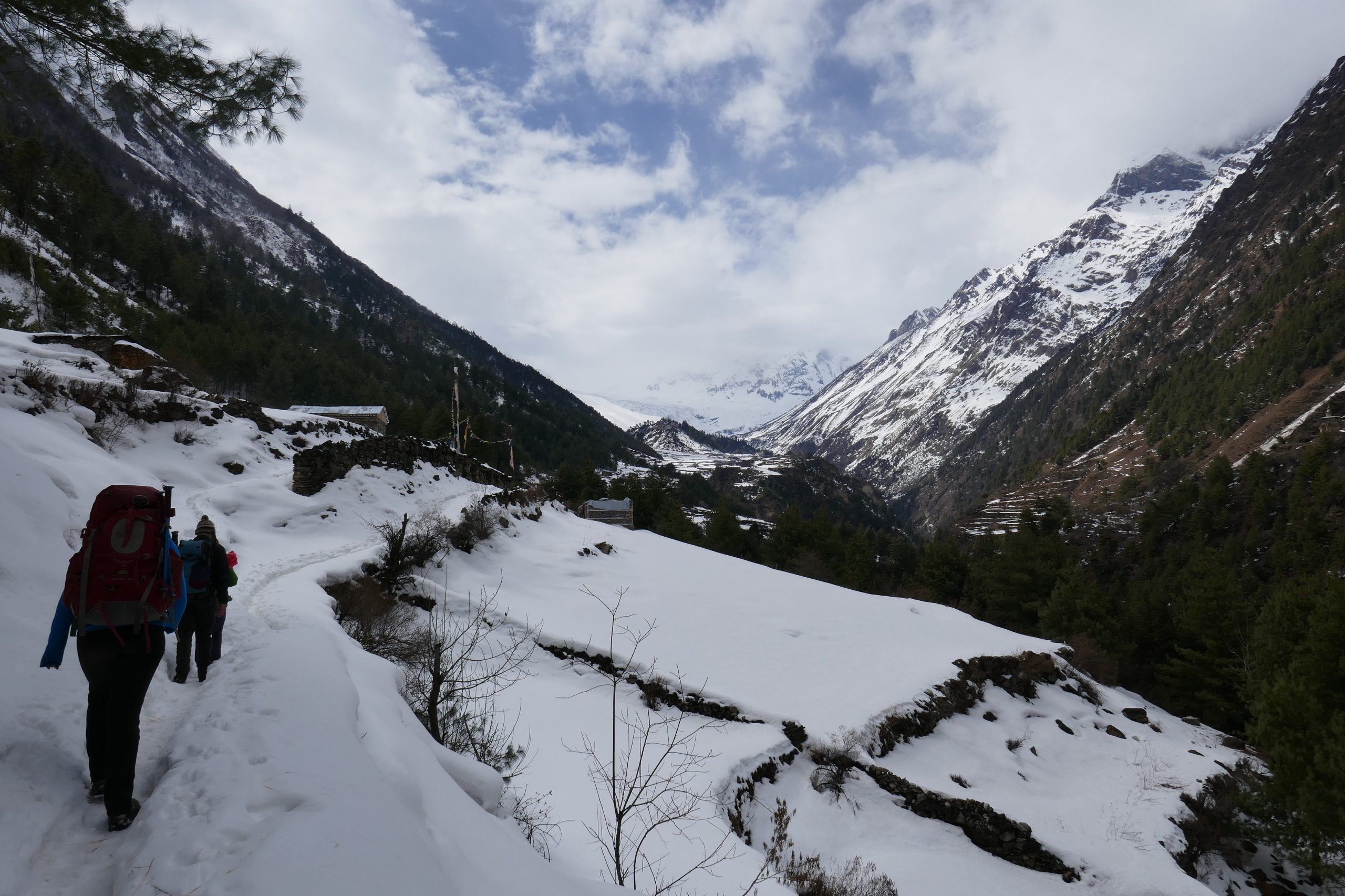
Winter provides a distinctive experience for the Manaslu Nar Phu Valley Trek, as there are fewer trekkers on the trails, creating a quieter atmosphere. However, it can be quite cold, especially at higher altitudes, where temperatures often fall below freezing. The Larke La Pass and other high passes may be covered with snow, presenting challenges for trekkers.
Those opting to Manaslu Nar Phu Valley Trek in winter should be well-prepared for cold weather and potential snow. Despite these difficulties, the winter landscape’s beauty, with snow-covered peaks and peaceful surroundings, makes it a rewarding choice for adventurous trekkers.
Why Manaslu Nar Phu Valley Trek?
Breathtaking Snow-Capped Mountain Views:
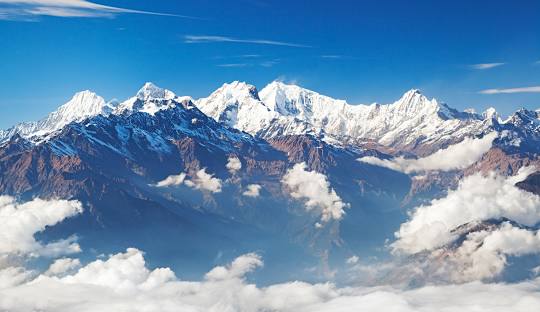
The trek through Manaslu Nar Phu Valley Trek offers trekkers breathtaking views of the majestic Himalayan peaks. Mount Manaslu (8,163 meters), the world’s eighth-highest mountain, and the Annapurna and Himlung ranges can be seen from high points like the Larke La Pass.
The 360-degree perspective from Larke La Pass showcases the rugged landscape and towering peaks. Every day on the Manaslu Nar Phu Valley Trek unveils new and remarkable vistas of the magnificent Himalayan mountains.
Adventurous Trails:
Manaslu Nar Phu Valley Trek offers an ideal challenge for adventure enthusiasts seeking an adventurous route. The trail presents a rugged and varied terrain, including steep climbs and descents, narrow gorges, river crossings, and high mountain passes such as the 5,106-meter Larke La Pass.
Trekkers will need to navigate rocky paths, traverse glacial moraines, and cross suspension bridges over fast-flowing rivers. The sense of adventure is amplified by the region’s remoteness, making it an excellent option for those who thrive on pushing their limits in an untouched, pristine environment.
Cultural Exploration:
The Manaslu Nar Phu Valley Trek offers a valuable immersion in the local culture, guiding you through settlements that showcase the distinct Tibetan-influenced heritage of the Manaslu and Nar Phu regions. You’ll have opportunities to engage with the residents, explore ancient Buddhist monasteries, and witness traditional ways of life that have persisted for centuries.
The Nar and Phu villages, in particular, are renowned for their unique stone dwellings, narrow pathways, and profound spiritual legacy. The Manaslu Nar Phu Valley Trek provides a deeper insight into the customs, traditions, and everyday existence of the inhabitants of these isolated mountain areas.
Wildlife Exploration:
Trekking in the Manaslu Nar Phu Valley is an opportunity to not only experience the mountains and local culture but also to discover the diverse wildlife of the area. While traveling through the Manaslu Conservation Area, be on the lookout for a variety of wildlife including Himalayan Thar, blue sheep, and the elusive snow leopard.
Bird enthusiasts will have the chance to spot rare species such as the Himalayan monal and snow partridge. The Nar Phu Valley’s remote and untouched surroundings create a perfect environment for a wide range of unique plant and animal life, making this trek an ideal choice for nature lovers.
Permits for Manaslu Nar Phu Valley Trek
For the Manaslu Nar Phu Valley Trek, you will need multiple permits because the area has restricted zones and conservation areas. Important permits to obtain are the Manaslu Restricted Area Permit (RAP) and the Nar Phu Restricted Area Permit. Furthermore, you will require the Manaslu Conservation Area Permit (MCAP) and the Annapurna Conservation Area Permit (ACAP) since the trek goes through both conservation areas.
Manaslu Guides will help with acquiring all the necessary permits, ensuring a smooth trekking experience without any hassle. It’s essential to keep these permits with you as they will be verified at different points along the Manaslu Nar Phu Valley Trek.
Essential Considerations for the Manaslu Nar Phu Valley Trek
Professional Trekking Guide:
For the Manaslu Nar Phu Valley Trek, it is crucial to hire a professional trekking guide. A guide is instrumental in providing crucial support, maintaining safety on demanding terrain, and guiding through isolated and lesser-known trails. Additionally, they provide valuable knowledge about local culture and traditions, enriching the overall trekking experience.
Trek Permits:
For the Manaslu Nar Phu Valley Trek, you’ll need to get various permits in advance, such as the Manaslu Restricted Area Permit, Nar Phu Restricted Area Permit, Manaslu Conservation Area Permit, and Annapurna Conservation Area Permit. Make sure to have these permits with you as they will be verified during the trek.
Altitude Sickness:
Altitude sickness poses a serious risk during the Manaslu Nar Phu Valley Trek, especially when traversing the high Larke La Pass at an elevation of 5,106 meters. Ensuring proper acclimatization is essential to prevent symptoms like headaches, nausea, and dizziness. It is important to ascend slowly, take acclimatization days as necessary, and maintain adequate hydration.
Physical Fitness:
The Manaslu Nar Phu Valley Trek requires a lot of physical effort, with extended periods of walking and steep climbs and descents. You’ll need to be in good physical shape to tackle the challenging terrain and high elevations. Make sure to engage in regular cardiovascular and strength workouts to get ready for the Manaslu Nar Phu Valley Trek.
Travel Insurance:
We strongly advise getting travel insurance for the Manaslu Nar Phu Valley Trek. Select a policy that includes coverage for high-altitude trekking, medical emergencies, and evacuation. It offers peace of mind and financial security in the event of unforeseen circumstances.
Packing Lists for Manaslu Nar Phu Valley Trek:
Under Layers: Thermal tops and bottoms that wick away moisture.
Intermediate Layers: Jacket or insulating layer made of fleece for warmth.
Outer Layers: Jacket and pants that are waterproof and windproof.
Trekking Trousers: Durable and quick-drying.
Warm Gloves and Hat: Waterproof and insulated.
Sun Protection Hat: Offers protection from the sun.
Scarves/Buffs: Provides extra warmth and shields against dust.
Footwear:
Trekking Boots: Strong, waterproof, and already broken in.
Camp Shoes: Comfortable and lightweight, like sandals or sneakers.
Gear and Equipment:
Backpack: Comfortable daypack for everyday essentials and a larger trek bag for gear.
Sleeping Bag: Designed for cold temperatures (down or synthetic).
Sleeping Pad: Adds comfort and insulation.
Trekking Poles: Durable and adjustable for stability on uneven terrain.
Headlamp/Flashlight: Comes with spare batteries.
Sunglasses: UV-protected for high-altitude glare.
Water Bottles/Hydration System: Assures you maintain hydration.
Water Purification: Tablets or a filter for clean water.
Personal Items:
Toiletries: Biodegradable soap, toothbrush, toothpaste, and other personal hygiene items.
First Aid Kit: Contains basic medications, blister care, and personal prescriptions.
Sunscreen: High SPF for protection against sunburn. Lip Balm: Offers SPF protection.
Camera/Phone: Can be used to capture memories, with extra batteries or power banks.
Cash: For making purchases in remote areas. Snacks:
High-energy, non-perishable items such as nuts, energy bars, or dried fruits.
Notebook and Pen: For journaling or taking notes.
Why Manaslu Nar Phu Valley Trek with Manaslu Guides?
Manaslu Guides possesses in-depth local expertise and knowledge specific to the Manaslu and Nar Phu regions. Our guides have a thorough understanding of the terrain, weather conditions, and cultural intricacies, guaranteeing a secure and enriching trekking experience.
We offer customized itineraries tailored to your preferences and requirements, allowing you to fully immerse yourself in the Manaslu Nar Phu Valley Trek. Whether you wish to explore particular cultural sites or need adjustments for acclimatization, Manaslu Guides can customize the trek to suit your needs.
Your safety is prioritized by Manaslu Guides, who have well-trained staff, comprehensive first aid training, and strong emergency protocols. Our guides are adept at managing challenges at high altitudes and ensuring that you are well-prepared for any circumstances.
Manaslu Guides provides valuable cultural insights from local experts, enabling you to gain a deeper understanding of the traditions, customs, and daily lives of the people in the Manaslu and Nar Phu valleys through interactions with local communities.
As a local company, Manaslu Guides supports the local economy by employing knowledgeable local guides and staff, ensuring that your Manaslu Nar Phu Valley Trek contributes positively to the community and delivers authentic experiences that only locals can provide.
Manaslu Guides is renowned for its top-notch service, which includes well-organized logistics, dependable equipment, and exceptional support throughout your Manaslu Nar Phu Valley Trek. Our dedication to customer satisfaction guarantees a memorable and enjoyable adventure.
Itinerary
Expand AllCollapse
All
DAY 01
Arrival in Kathmandu, Check into the Hotel (1,300m/4,428ft)
Route: Kathmandu Max Altitude: 1,400m/4,593ft. Distance: About 5.5 to 6 kilometers Duration: Around 15 to 20 minutes Meal: Breakfast Accommodation: 4 Star Hotel
Upon your arrival at TIA, Our office person will kindly greet you upon arrival at the airport, and you will then be driven to your hotel. The remainder of the day is at leisure. Spend the night in Kathmandu at your hotel.
Max. Altitude: 1,400m/4,593ft.Breakfast2/3 Stars Hotel
DAY 02
Trek preparation and introduce with trekking staffs (1360m)
Route: Kathmandu Max Altitude: 1,400m/4,593ft. Distance: About 5.5 to 6 kilometers Duration: Around 15 to 20 minutes Meal: Breakfast Accommodation: 4 Star Hotel
Brunch in a hotel, Our staff will pick you up and take you to our office for a briefing and preparation for the Manaslu Nar Phu Valley Trek. The software will be briefly explained by our personnel. If of interest, you will see cultural landmarks, some of which are well-known World Heritage sites, such as Swyambhunath and Kathmandu Durbar Square.
Max. Altitude: 1,400m/4,593ft.Breakfast4 Star Hotel3-4 hrs walk
DAY 03
Drive Kathmandu to Maccha Khola (870m/2,952ft) 8-9 Hours drive.
Our staff will pick you up and drive you to the bus park or a private vehicle.
Travel by bus or jeep to Maccha Khola.
Arrival at Maccha Khola, where the Nar-Phu and Manaslu trek begins.
Dinner and overnight stay at the Maccha Khola Hotel.
Rest for the hike the following day.
Machhakhola is a small village situated at an altitude of around 870 meters. It serves as the starting point for your trek. The village offers basic amenities and is known for its peaceful setting along the Budhi Gandaki River. After arriving in Machhakhola, you can relax and enjoy the serene environment, taking in views of the surrounding hills. Overnight stay in Machhakhola.
Trekking from MacchaKhola to Jagat (2,340m/ 7,676ft): 7-8 hours
Route: Machhakhola → Tatopani → Dobhan → Jagat Max Altitude: 2,340m/ 7,676ft Distance: 14 km Duration: 6–7 hrs Meal: Breakfast / Lunch / Dinner Accommodation: Tea house / Lodge
Breakfast at Machha Khola.
Start trek to Jagat, covering approximately 22 kilometers.
The hike takes around 6 to 7 hours.
Follow the Budhi Gandaki River throughout the journey.
Cross several suspension bridges along the way.
Walk through lush forests and terraced fields.
Enjoy scenic views of surrounding hills and distant snow-capped peaks.
Pass small villages and interact with locals, experiencing their lifestyle.
Take short breaks at scenic spots for rest and photos.
Arrive in Jagat and settle in for an overnight stay.
Dinner and rest to recharge for the next day’s trek.
Jagat is a small village situated at an altitude of around 1,340 meters. It’s a key stop on the Manaslu Circuit Trek and marks the entry into the higher regions. The village features traditional stone houses and has a vibrant local culture. You’ll find basic guesthouses and teahouses here for a comfortable stay. Jagat offers beautiful views of the river valley and surrounding hills, making it a relaxing and scenic place to rest after your trek. Overnight stay in Jagat.
Max. Altitude: 2,340m/ 7,676ftBreakfast / Lunch / DinnerTea house / Lodge4-5 hrs walk
DAY 05
Trek from Jagat to Deng (1,860m/6,102 ft): 5-6 hours
Route: Jagat → Philim → Deng Max Altitude: 1,860m / 6,102ft Distance: 20 km Duration: 5–6 hours trek Meal: Breakfast / Lunch / Dinner Accommodation: Tea house / Lodge
Breakfast in Jagat.
Begin trek to Deng, covering approximately 23 kilometers.
The hike takes about 6 to 7 hours.
Follow the Budhi Gandaki River along the trail.
Pass through small villages, experiencing local culture.
Trek through lush forests and terraced fields.
Cross several suspension bridges over the river.
Gradual ascent into the mountains with scenic views.
Take breaks for rest and photography along the way.
Arrive in Deng for an overnight stay.
Dinner and rest to prepare for the next day’s journey.
Deng is a small village at around 1,860 meters altitude. It’s a quiet and pleasant stop on your trek. The village features traditional Tibetan-style buildings and has a local, welcoming atmosphere. Basic guesthouses and teahouses provide comfortable accommodations. From Deng, you can enjoy lovely views of the surrounding hills and mountains. It’s a great place to rest and get ready for the next day’s trek. Overnight stay in Deng.
Max. Altitude: 1,860m/6,102 ftBreakfast / Lunch / DinnerTea house / Lodge5-6 hrs walk
DAY 06
Trek from Deng to Namrung (3,560m/11,680ft): 7-8 hours
Route: Deng → Ghap → Namrung Max Altitude: 2,630m / 8,628ft Distance: 19 km Duration: 7–8 hours trek Meal: Breakfast / Lunch / Dinner Accommodation: Tea house / Lodge
Breakfast in Deng.
Begin trek to Namrung, covering approximately 19 kilometers.
The trek takes around 6 to 7 hours.
Continue following the Budhi Gandaki River.
Pass through small villages and dense forests.
Cross multiple suspension bridges along the way.
Gradually climb through terraced fields, gaining elevation.
Namrung is a picturesque village situated at an altitude of around 2,630 meters, offering trekkers stunning views of snow-capped peaks such as Mt. Manaslu and Ganesh Himal. It is a key checkpoint on the Manaslu Circuit, where permits are often checked. The village marks a noticeable transition in both the landscape and culture, as you enter more remote and Tibetan-influenced areas.
Namrung features charming stone houses, terraced fields, and prayer wheels, reflecting the region’s Buddhist heritage. Trekkers can enjoy basic lodges and teahouses, providing a comfortable place to rest after a day of trekking through forests and rivers. The surrounding beauty and cultural richness make Namrung a memorable stop on the journey.
Max. Altitude: 2,630m/8,628 ftBreakfast / Lunch / DinnerTea house / Lodge 5-6 hrs walk
Lho is a scenic village situated at around 3,180 meters. Known for its stunning views of Mount Manaslu, the village offers a unique glimpse into local culture and architecture. The traditional Tibetan-style houses and monasteries add to the charm of Lho. Several guesthouses and teahouses are available for a comfortable stay. In Lho, you can enjoy breathtaking views of the mountains and experience the peaceful atmosphere of this high-altitude village. It’s a great place to rest and take in the beauty of the region. Overnight stay in Lho.
Max. Altitude: 3,180m /10,433ft.Breakfast / Lunch / DinnerTea house / Lodge 3-4 hrs walk
DAY 08
Trek from Lho to Samagau
Route: Lho → Shyala → Samagaon Max Altitude: 3,520m / 11,548ft Distance: 17 km Duration: 8–9 hours trek Meal: Breakfast / Lunch / Dinner Accommodation: Tea house / Lodge
Breakfast in Lho.
Begin trek to Samagaon, covering approximately 14 kilometers.
The trek takes around 5 to 6 hours.
Continue ascending through lush forests and terraced fields.
Enjoy occasional views of the majestic Manaslu range.
Cross several streams along the trail.
Pass through traditional villages as you gain altitude.
Samagaon is a serene village located at an altitude of around 3,530 meters. It is known for its stunning views of Mount Manaslu and its peaceful, traditional atmosphere. The village is a key stop on the trek, providing a chance to rest and acclimatize. Samagaon features traditional Tibetan-style houses and a few guesthouses and teahouses offering basic but comfortable accommodations. The village is also close to important cultural sites, such as ancient monasteries and chortens. It’s a great place to explore the local culture and enjoy the beautiful mountain scenery. Overnight stay in Samagaon.
Max. Altitude: 3,520 m/11,548 ft.Breakfast / Lunch / DinnerTea house / Lodge 8-9 hrs walk
DAY 09
Acclimatization Day in Samagaon
Route: Side hike to Pungyen Gompa or Birendra Lake Max Altitude: 3,520m / 11,548ft Distance: 5–6 km (round trip) Duration: 4–5 hours trek Meal:Breakfast / Lunch / Dinner Accommodation: Tea house / Lodge
Acclimatization day in Samagaon.
Essential for adjusting to higher altitude and preventing altitude sickness.
Explore the village and surrounding areas at a relaxed pace.
Enjoy local culture and scenery while resting.
Take it easy to ensure your body adapts well for the upcoming trek.
Activities and Exploration
In the morning, you might take a short hike to the nearby Pungyen Gompa, a beautiful monastery offering panoramic views of the surrounding peaks. This trek will help with acclimatization and provide a chance to experience the local culture and spirituality. Alternatively, you could visit the nearby Birendra Lake, which is a serene spot for relaxation and offers stunning reflections of the mountains.
Max. Altitude: 3,520 m/11,548 ft.Breakfast / Lunch / DinnerTea house / Lodge 8-9 hrs walk
DAY 10
Trek from Samagaon to Samdo
Route: Samagaon → Kermo Kharka → Samdo Max Altitude: 3,875m / 12,713ft Distance: 17 km Duration: 7–8 hours trek Meal: Breakfast / Lunch / Dinner Accommodation: Tea house / Lodge
Breakfast in Samagaon.
Begin trek to Samdo, covering approximately 16 kilometers.
The trek takes around 4 to 5 hours.
Gradual ascent through rugged terrain.
Enjoy expansive views of surrounding mountains and valleys.
Cross several streams along the way.
Navigate through rocky sections as you gain altitude.
About Samdo
Samdo is a small, high-altitude village situated at around 3,860 meters. Known for its breathtaking views of the surrounding peaks and the Tibetan-influenced architecture, Samdo provides a tranquil and scenic environment. The village offers basic guesthouses and teahouses for accommodation. In Samdo, you can enjoy the serene atmosphere and prepare for the upcoming high-altitude trek. The area around Samdo is also great for short hikes and acclimatization. Overnight stay in Samdo.
Max. Altitude: 3,875 m/12,713 ftBreakfast / Lunch / DinnerTea house / Lodge7-8 hours walk
DAY 11
Samdo to Dharamsala
Route: Samdo → Larkya Bazaar → Dharamsala Max Altitude: 4,460m / 14,633ft Distance: 12 km Duration: 7–8 hours trek Meal: Breakfast / Lunch / Dinner Accommodation: Tea house / Lodge
Breakfast in Samdo.
Begin trek to Dharamsala, covering approximately 16 kilometers.
The trek takes around 4 to 5 hours.
Ascend through a rugged, high-altitude landscape.
Enjoy expansive views of the Manaslu range.
Traverse rocky paths and open valleys.
Arrive in Dharamsala and prepare for the next day’s trek.
About Dharamsala
Dharamsala, also known as Larkya Phedi, is situated at approximately 4,460 meters. It serves as a key stop before crossing the Larkya La Pass. The area is characterized by its stunning mountain views and a few basic lodges providing essential amenities. Dharamsala is an excellent place to rest and prepare for the challenging trek over the Larkya La Pass. The surroundings offer magnificent views of the surrounding peaks, adding to the beauty of this high-altitude stop. Overnight stay in Dharamsala.
Max. Altitude: 4,460 m/14,633 ft.Breakfast / Lunch / DinnerTea house / Lodge7-8 hrs walk
DAY 12
Dharmasala to Bhimtang via Larkya La Pass
Route: Dharamsala → Larkya La Pass (5,106m) → Bhimtang Max Altitude: 3,590m / 11,778ft Distance: 17 km Duration: 8–9 hours trek Meal: Breakfast / Lunch / Dinner Accommodation: Tea house / Lodge
Early breakfast in Dharamsala.
Begin trek to Bhimtang, covering approximately 23 kilometers.
The trek takes around 8 to 10 hours.
Highlight of the day: crossing Larkya La Pass at 5,160 meters.
Steep ascent to the pass.
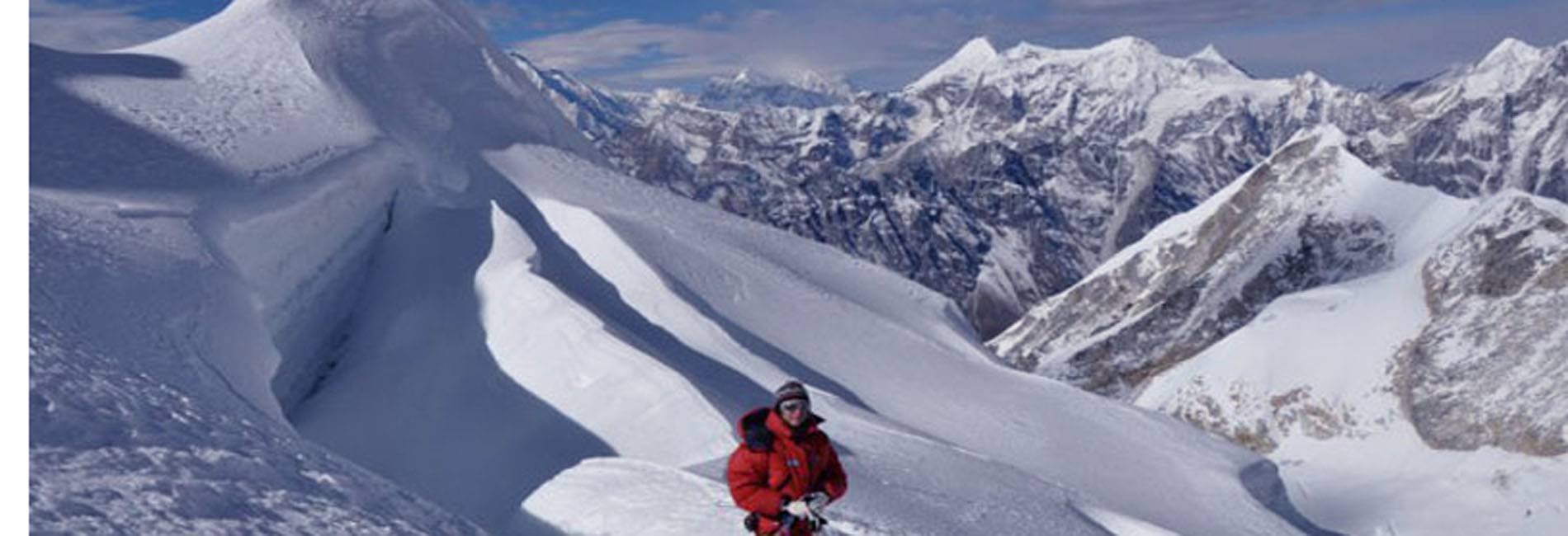
Enjoy spectacular panoramic views of snow-capped peaks and glaciers.
Continue descent towards Bhimtang after crossing the pass.
About Bhimtang
Bhimtang is a remote village located at around 3,720 meters. It’s known for its beautiful setting surrounded by mountains and lush meadows. The village has a few basic lodges and teahouses for accommodation. Bhimtang is a perfect place to relax after the strenuous trek across the pass, offering stunning views of the surrounding peaks and a chance to recover from the day’s adventure. Overnight stay in Bhimtang.
Max. Altitude: 3,590m/11,778 Ft (Larke- 5,106m/ 16,751 ft.Breakfast / Lunch / DinnerTea house / Lodge 3 hrs walk
DAY 13
Bimthang to Tilije
Route: Bhimtang → Kharche → Tilije Max Altitude: 2,300m / 7,546ft Distance: 26 km Duration: 6–7 hours trek Meal: Breakfast / Lunch / Dinner Accommodation: Tea house / Lodge
Breakfast in Bhimtang.
Begin trek to Tilije, covering approximately 14 kilometers.
The trek takes around 5 to 6 hours.
Descend from Bhimtang through lush forests and terraced fields.
Experience a gradual change in scenery as you leave high-altitude terrain behind.
Enjoy the more moderate altitude and varied landscapes.
About Tilije
Tilije is a charming village located at around 2,300 meters. It is known for its traditional Tibetan-influenced architecture and scenic surroundings. The village offers basic lodges and teahouses where you can rest and enjoy the local hospitality. In Tilije, you’ll experience a more relaxed pace and get a chance to immerse yourself in the local culture. The village is also a great place to enjoy the beautiful landscape and reflect on the journey from the higher altitudes. Overnight stay in Tilije.
Route: Tilije → Thonje → Dharapani Max Altitude: 1,860m / 6,100ft Distance: 10 km Duration: 5–6 hours trek Meal: Breakfast / Lunch / Dinner Accommodation: Tea house / Lodge
Breakfast in Tilije.
Begin trek to Dharapani, covering approximately 18 kilometers.
The trek takes around 6 to 7 hours.
Traverse through diverse terrain, including forests and villages.
Enjoy the changing landscapes as you descend further.
Arrive in Dharapani for an overnight stay.
Dharapani is a well-known village in the Annapurna region, situated at around 1,860 meters. It serves as a key point on the trek where you can find basic amenities and lodgings. Dharapani offers a blend of natural beauty and traditional village life, providing a pleasant stop before heading to the road.
Max. Altitude: 1,860 m (6,100 ft)Breakfast / Lunch / DinnerTea house / Lodge 6-7 hrs walk
DAY 15
Dharapani to Koto (2,610m/8,563ft): 5-6 hours
Route: Dharapani → Timang → Koto Max Altitude: 2,610m / 8,563ft Distance: 19 km Duration: 5–6 hours trek Meal: Breakfast / Lunch / Dinner Accommodation: Tea house / Lodge
Morning breakfast.
Continue trek towards Bagarchhap by following pine and fir forests.
Visit the white washed monastery in this village.
Continue trek about an hour and reach to Danaque.
Trek steeply ascend up to Timang.
Enjoy with the magnificent view of Mt. Manaslu and other 29 Peak.
Koto is a small village located in the Manang District, positioned along the Annapurna Circuit and Manaslu trekking routes. Nestled at an altitude of about 2,600 meters, Koto offers a serene and scenic environment with views of surrounding hills and lush landscapes. It serves as a key stop for trekkers traveling between higher altitudes and lower villages. The village provides basic accommodations and a chance to experience local culture and hospitality in a tranquil setting.
Max. Altitude: 2620m/8,596 ft.Breakfast / Lunch / DinnerTea house / Lodge 8-9 hrs walk
DAYS 16
Koto to Meta (3,560m/11,680ft): 7-8 hours
Route: Koto → Dharmasala → Meta Max Altitude: 3,560m / 11,680ft Distance: 17 km Duration: 7–8 hours trek Meal: Breakfast / Lunch / Dinner Accommodation: Tea house / Lodge
Morning breakfast.
Trek through the River bank of Soti Khola and cross suspension bridge over Soti Khola.
Follow the wonderful pine forests, streams and reach Dharmasala.
Continue the trek through forests and ascend steeply towards Meta village.
Reach at Tibetan Plateau and enjoy great view of Annapurna II and Lamjung Himal.
Overnight in Meta.
Meta is a small village situated in the Manaslu region of Nepal, positioned at an altitude of around 3,560 meters. It lies along the trek route between Koto and the high-altitude areas of the Manaslu Circuit. Meta is known for its peaceful environment and stunning mountain views. The village offers basic amenities and serves as a rest stop for trekkers, providing a chance to acclimate and enjoy the serene beauty of the surrounding landscapes.
Max. Altitude: 3,560m/11,680ftBreakfast / Lunch / DinnerTea house / Lodge
DAYS 17
Meta to Phu Gaon (4,250m/13,944ft): 7-8 hours
Route: Meta → Kyang → Phu Gaon Max Altitude: 4,250m / 13,944ft Distance: 19 km Duration: 7–8 hours trek Meal: Breakfast / Lunch / Dinner Accommodation: Tea house / Lodge
Morning breakfast.
Continue trekking up and down and cross beautiful suspension bridges over different streams.
Almost 4 hours of trek will lead you to the Kyang and witness the remnants,the ruined forts of the Khampa settlement.
Further trek crosses the Phu Khola on a rocky trail and finally reach the Phu village.
Overnight in Phu Gaon.
Phu Gaon is a remote village in the Manaslu region of Nepal, located at an altitude of about 4,050 meters. It is part of the Nar-Phu Valley trek and offers a unique glimpse into traditional Tibetan-influenced culture. The village is known for its stunning mountain views, including the views of Annapurna and Manaslu ranges. Phu Gaon provides basic accommodation and serves as a key stop for trekkers exploring this less-visited and culturally rich area.
Max. Altitude: 4,2550m/13944ft.Breakfast / Lunch / DinnerTea house / Lodge
DAYS 18
Phu Gaon to Nar (4,110m/13,484ft): 6-7 hours
Route: Phu Gaon → Mahendra Pul → Nar Max Altitude: 4,110m / 13,484ft Distance: 16 km Duration: 6–7 hours trek Meal: Breakfast / Lunch / Dinner Accommodation: Tea house / Lodge
Morning breakfast.
Descends through various streams and suspension bridges.
Follow the high suspension bridge 80m over the Gorge of Lapche River.
Trek steeply ascends by following many Buddhist stupas until you reach to Nar Village.
Witness several Buddhist Monasteries with the glorious vistas of Pisang Peak and other small peaks.
Overnight in Nar.
Nar is a picturesque village in the Nar-Phu Valley of the Manaslu region, situated at an altitude of approximately 4,110 meters. Known for its traditional Tibetan-influenced culture and stunning high-altitude scenery, Nar offers trekkers a unique experience. The village features traditional stone houses, terraced fields, and vibrant monasteries. Nar serves as an important stop on the Nar-Phu trek, providing basic lodging and a chance to explore its serene environment and rich cultural heritage.
Nar to Kang La Pass (5,322m/17,460ft) to Ngwal (3,660m/12,008ft): 7-8 hours
Route:Nar → Kang La Pass (5,322m) → Ngwal Max Altitude: 3,660m / 12,008ft Distance: 20 km Duration: 7–8 hours trek Meal: Breakfast / Lunch / Dinner Accommodation: Tea house / Lodge
Morning breakfast.
Trek around 7 to 8 hours to reach today’s destination.
Trek towards Kangla pass.
Enjoy panoramic views of Annapurna massif.
Further trek down to Ngwal.
Overnight in Ngwal.
Day 20: Trek Ngwal to Chhame
Kangla Pass is a high-altitude mountain pass situated at approximately 5,306 meters in the Nar-Phu Valley of the Manaslu region. It is a key highlight of the Nar-Phu trek, offering breathtaking panoramic views of the surrounding peaks and valleys. The pass marks a significant point in the trek, with a challenging ascent and descent through rugged terrain. Trekkers are rewarded with stunning vistas of the Annapurna and Manaslu ranges, as well as a unique perspective on the remote landscapes of the region.
Route: Ngwal → Pisang → Chame Max Altitude: 2,670m / 8,760ft Distance: 20 km Duration: 6–7 hours trek Meal: Breakfast / Lunch / Dinner Accommodation: Tea house / Lodge
Breakfast in Ngwal.
Begin trek to Chhame, covering approximately 18 kilometers.
The trek takes around 6 to 7 hours.
Descend through diverse terrain, including forests and meadows.
Pass through traditional villages and interact with local people.
Enjoy scenic views of the surrounding mountains and valleys.
Arrive in Chhame for an overnight stay.
Dinner and rest to prepare for the next day’s journey.
Chhame is a small village in the Manang District, situated at an altitude of around 2,710 meters. It is a key stop on the Annapurna Circuit trek, known for its traditional Tibetan-style architecture and beautiful surroundings. The village offers basic accommodations and serves as a gateway to higher altitudes. Chhame provides stunning views of the surrounding peaks and is a pleasant resting point for trekkers before continuing their journey.
Route: Chame → Besisahar Max Altitude: 760m / 2,493ft Distance: 66 km Duration: 6–7 hours drive Meal: Breakfast / Lunch / Dinner Accommodation: Tea house / Lodge
Breakfast in Chhame.
Drive from Chhame to Besisahar by jeep.
The drive covers approximately 60 kilometers.
The journey takes around 4 to 6 hours, depending on road conditions.
Travel through scenic landscapes, passing small villages and terraced fields.
Enjoy views of the surrounding hills and rivers.
Arrive in Besisahar and check into your accommodation.
Rest and relax after the drive.
Dinner and overnight stay in Besisahar.
Besisahar is the gateway to the Annapurna region, Manaslu Region and offers various services and accommodations. It’s a good place to relax and reflect on your trek. The town provides a range of amenities and serves as a convenient point for onward travel. Overnight stay in Besisahar.
Route: Besisahar → Pokhara or Kathmandu Max Altitude: 1,400m / 4,593ft Distance: 175–190 km Duration:6–8 hours drive Meal: Breakfast / Lunch / Dinner Accommodation: 4 Star Hotel
Breakfast in Besisahar.
Drive from Besisahar to Pokhara or Kathmandu.
The drive to Pokhara covers approximately 180 kilometers and takes around 6 to 8 hours.
The drive to Kathmandu covers approximately 200 kilometers and takes around 8 to 10 hours.
Travel through scenic landscapes, including hills, rivers, and terraced fields.
Enjoy views of the countryside and local villages along the way.
Arrive in either Pokhara or Kathmandu and check into your accommodation.
Rest and relax after the drive.
Dinner and overnight stay in your chosen destination.
Max. Altitude: 1,400m/4,593ft.Breakfast / Lunch / Dinner4 Star Hotel
Itinerary Note
If you’re interested in extending your adventure in Nepal, we offer a variety of exciting options. Discover the serene beauty of Pokhara, explore the wildlife in Chitwan National Park, or immerse yourself in the rich history with our Kathmandu Cultural Heritage Tours. For those looking for international experiences, we also offer tours to Tibet, India, and Bhutan.
Our standard itinerary may vary due to unforeseen circumstances like flight delays, weather changes, or health concerns. We advise arriving a day early to rest and prepare, with extra buffer days for international flights. The itinerary serves as a guideline and can be adjusted based on client preferences, fitness levels, and ground realities. If you're not satisfied or have an alternative plan please feel free to discuss it with us By Clicking :- ASK QUESTION or CUSTOMIZE YOUR TRIP.
Airport pick up and drop off by Car, jeep, Hiace or Bus. Depends on the number of arrives.
Complimentary welcome or farewell dinner according to the suitability of our client’s time.
Beginning two nights stay on arrival in Kathmandu in tourist standard hotel with breakfast included (twin share basis)
Kathmandu to Jagat (trekking starting point) transfer by Bus/Jeep, Jomsom to Pokhara by Flight and way back from Pokhara to Kathmandu by tourist bus.
All necessary trekking and restricted area permit & fees, (Entry Permit, Annapurna conservation area permit, Nar-Phu Restricted area special permit and TIMs cards).
OPTIONAL: Three meals a day during the trek (If of required, we provide meal during the trekking)
OPTIONAL: All accommodation during trek (If of required we arrange all accommodation)
An experienced, English-speaking, government-licensed, first aid trained Manaslu special trekking guide and assistant guide (5 trekkers: 1 assistant guide)
An expert Local porter (2 trekkers: 1 porter)
Duffel bag, (to be returned after trip completion), complementary trekking maps. If needed down jacket and sleeping bag will be provided in rent.
Staff costs including their salary, insurance, equipment, transport, food and accommodation.
Rescue arrangements if necessary.
Basic First-aid kit (carried by your trekking guide)
All government and local taxes for Trekking, Agency service charge and government tax/vat
Achievement Certificate
Cost Excludes
International airfare and Nepal visa fee.
Lunch and Dinner in Kathmandu
Extra night accommodation in Kathmandu because of early arrival, late departure, early return from mountain (due to any reason) than in the scheduled itinerary
Meal and accommodations in mountain. (can be arranged by company as per the package agreement )
Personal insurance which covers medical, emergency evacuation, loss or theft of property.
Personal gears and equipment.
Personal expenses such as laundry, hot showers, battery charging, Wifi, etc
Entry fees and costs in sightseeing (temples, monasteries, etc)
Tips and gratitude provided to guide and porter.
Join Fixed Departure
Good to know
We can see the natural beauty of forests, rivers, and flora of the Naar Phu Valley region
We can see the friendly people and the best culture of the region which includes Nepalese and Tibetan ethnic groups.
Pass the height point of Visit cultural world Heritage sites in the city.
Incredible landscapes and breathtaking mountain views.
Hiking to the new trekking route.
Explore the local cultural and natural beauty.
Kang La Pass (5320 meter)
Visit cultural world Heritage sites in the city.
Hiking to the new trekking route as well as.
PERMITS:
You will need to receive special trekking permission from the Nepali government in order to complete the Manaslu-Narphu Valley Trek. Both the Manaslu Restricted Area Permit and the Annapurna Conservation Area Permit (ACAP) must be obtained. The permits can be obtained at the Nepal Tourism Board office in Kathmandu or through authorized trekking companies. As part of the requirements for this trek, you must also bring a guide and porter.
Appropriate equipment is required to navigate the challenging terrain and high altitude landscapes of the Manaslu-Narphu Valley Trek. You will want durable and comfortable trekking shoes, a backpack, a high-quality sleeping bag, trekking poles, and other necessary equipment. Make sure your equipment is high-quality and properly sized and configured for your purposes.
NECESSARY INFORMATION:
Research and planning must be done before beginning the Manaslu-Narphu Valley Trek. As the journey might be physically demanding, it is advised to have a decent level of fitness and stamina as well as some past trekking experience. Along the route, there will be nothing in the way of facilities and infrastructure, so you need to be ready for that as well. It’s crucial to have enough food and drink with you, as well as to be aware of the symptoms and indicators of altitude sickness. In addition, you should observe Nepali government laws and regulations, respect regional culture and customs, and keep the environment in mind.
WILDLIFE & FLORA:
Many rare and endangered kinds of wildlife can be found on the Manaslu-Narphu Valley Trek. On the walk, it’s not unusual to witness Himalayan tahrs, musk deer, snow leopards, and Himalayan black bears. The blue sheep, red panda, and other bird species are among the additional creatures you might see on the walk. The need to respect wildlife and keep a safe distance from it cannot be overstated.
You pass through verdant green woods, alpine meadows, and desolate areas on the walk, each with its own distinctive flora. The vegetation will change as you climb higher, moving from rhododendron forests to alpine shrubs and grasslands. A number of medicinal plants and herbs, including Yarsagumba, which is renowned for its medicinal qualities, may be seen along the journey. A wide range of wildflowers, such as orchids, primroses, and daisies, can also be found in the area.
CULTURE & PEOPLE:
The Manaslu-Narphu Valley Trek region is home to a number of ethnic populations, including the Gurung, Tibetan, and Manangi people. The unique traditions, customs, and way of life of the locals have been carried down through the years.
Customs & Traditional:
Local populations in the Manaslu-Narphu Valley Trek region practice a blend of Tibetan Buddhism and Hinduism. The Mani Rimdu festival and the Lhosar festival are among the many holidays they observe throughout the year. Locals dress in vibrant clothes, conduct traditional dances, and make sacrifices to the gods during these festivities. The locals still adhere to the ancient ways of farming and caring for animals, and they also use local herbs and plants for traditional medical techniques.
Way of Life:
The people who live in the Manaslu-Narphu Valley Trek region have a straightforward and conventional way of life. Their livelihood is based on farming and animal husbandry. You will have the chance to observe their way of life, which is entwined with the surrounding natural environment, while on the trip. You may see the villagers taking care of their livestock and crops, and you can even get involved in some of their regular tasks, like milking the cows.
Hospitality:
The Manaslu-Narphu Valley Trek region’s locals are renowned for their generous welcome to guests. They extend a friendly welcome to the trekkers and provide comfortable lodging and meals. By staying in homestays or teahouses maintained by locals, you can get a glimpse into their distinct way of life while also enjoying local cuisine and learning about their customs and traditions.
Respect & Cultural sensitivity:
It’s crucial to respect the traditions and culture of the host country as a visitor. It is important to dress appropriately and behave in a way that is sensitive to cultural differences because the locals adhere to stringent conventions and traditions. Additionally, it’s crucial to get consent before taking pictures and to keep your distance from any sacred structures or artifacts. We can prevent tourism from having a detrimental impact on the local community by respecting local culture and ways of life.
FAQ's
How hard is Manaslu Nar Phu Valley trek?
The Manaslu Nar Phu Valley Trek is average. The person who does regular exercise can do this trek easily.
How long does the Manaslu Nar Phu Valley Trek goes for?
Generally the Manaslu Nar Phu Valley Trekdepends on your interest and places that you want to do trekking. You can accommodate day hikes, cultural visits to local villages, and relaxing rest days on your trek. The trekking is depending upon your holiday.
Can I do solo Manaslu Nar Phu Valley Trek?
Trekking solo for Manaslu Nar Phu Valley Trek is forbidden. You have to trek in a group or with a partner. if you are unable to find a trekking partner, we can manage trekking partner for you.
Why do I need a guide and porter for Manaslu Nar Phu Valley Trek?
Manaslu Nar Phu Valley trek is restricted area trek where you need a special permit from Nepal government immigration department. Guide and porters are very important during your Narphu Valley trek. Guides know the different trekking trails. Not only that guides explain about community and cultures their lifestyles. The guide will book your accommodation and everything in advance even during high season. You will have good communication with local people with guides. On the other hand, you can also hire guides cum porter where guides carry your baggage and also do guiding as well.
What I should bring during Manaslu Nar Phu Valley trek?
While you are doing the Manaslu Nar Phu Valley Trek, you should bring basic trekking equipment. On the bottom of our website, you can find the trekking equipment details listed.
What types food will be available on the Manaslu Nar Phu Valley Trek?
We’ll be serving traditional trekking food such as dal bhat (the Nepali national dish of rice, dal and vegetables), pasta, soups, potatoes, bread, fruits, eggs. We’ll try where possible to use fresh local goods. We’ll serve portions big enough to match your calorific needs. If you have special dietary requirements, please let us know.
When is the best time to do the Manaslu Nar Phu Valley Trek?
The best seasons for Manaslu Nar Phu Valley Trek are spring (March-May) and autumn (September-November). The weather is clear, trails are safe, and the mountain views are stunning.
What permtis are needed for the Manaslu Nar Phu Valley Trek?
You need the Manaslu Restricted Area Permit, Nar Phu Restricted Area Permit, and Manaslu Conservation Area Permit. A licensed guide will help arrange all of them so you do not have to worry about paperwork.
What kind of accommodation can I expect during Manaslu Nar Phu Valley Trek?
During the Manaslu Nar Phu Valley Trek, you will mostly stay in teahouses and homestays in the villages. Rooms are simple, meals are home cooked, and staying here gives a true local experience.
Is travel insurance necessary for the Manaslu Nar Phu Valley Trek?
Yes, it is highly recommended to have travel insurance for the Manaslu Nar Phu Valley Trek. Make sure it covers high altitude trekking and emergency helicopter rescue, just in case.
Can I see wildlife on the Manaslu Nar Phu Valley Trek?
Yes, you may spot Himalayan langurs, snow leopards, and other mountain animals, especially in the remote valleys.
Which trekking company should I choose for the Manaslu Nar Phu Valley Trek?
Manaslu Guides Nepal is highly recommended for the Manaslu Nar Phu Valley trek. They are local experts from the Manaslu region and provide experienced guides who know the trails and culture very well.
You may like this
Similar trip on Region
You may also like to explore similar packages from same region...explore more trips
 Moderate Trek
 USD $870 - 1160