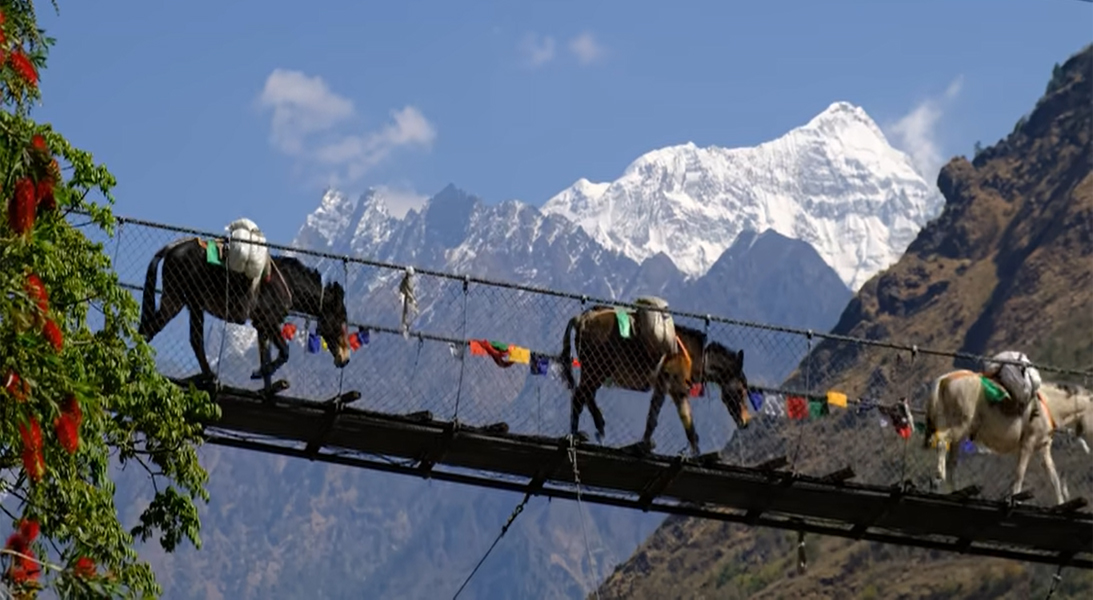
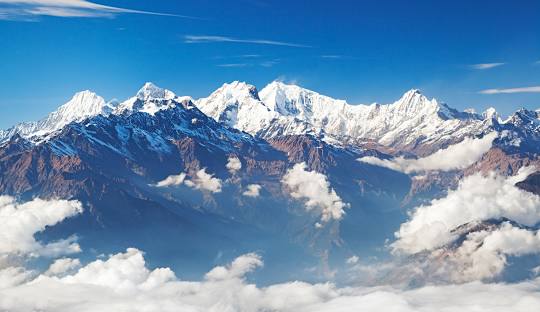
The Manaslu Circuit Upper Route Trek is a strenuous and challenging adventure, featuring steep, rugged trails and high altitudes, peaking at Larkya La Pass (5,160 m). With daily trekking hours of 5 to 7 hours, it demands good physical fitness, mental toughness, and proper acclimatization to safely navigate the tough terrain and long days.
Starts
Kathmandu
Ends
Kathmandu / Pokhara
Group Size
1 Pax
Best Season
Mar-May, Sep-Nov
Highlights
Views of Mount Manaslu and surrounding peaks
Crossing the high Larkya La Pass (5,106 m)
Exploring traditional Tibetan and Gurung villages
Visiting ancient Buddhist monasteries
Trekking through diverse landscapes and forests
Experiencing the Manaslu Conservation Area
Stunning sunrise and sunset mountain views
Authentic teahouse and homestay stays
Wildlife sightings like the Himalayan thar and birds
Cultural festivals and local traditions
TRIP OVERVIEW
Manaslu Trek Upper Route
Ready for an unforgettable adventure? The Manaslu Trek Upper Route is a tough, higher altitude option compared to the usual Manaslu Circuit Trek. It is great for trekkers who want to be away from crowds, enjoy amazing views, and really connect with nature and local culture. This less busy trail goes above the regular teahouse path and includes some homestays, where visitors can experience the warm hospitality and simple life of the local people.
The journey starts at Barpak, a lovely mountain village sitting on a hillside with great views of the Buddha Himal range and green terraced fields. Even though Barpak was hit hard by the 2015 earthquake, the strong local people have worked to bring back its beauty. As you go higher, you’ll walk past quiet villages and untouched nature, seeing colorful rhododendron forests and unique mountain animals.
This route offers amazing views of the Manaslu mountain and nearby big peaks, while giving you a peaceful and more private experience. You will visit old monasteries and Tibetan style villages that show the rich Buddhist culture in the area. The trail goes through holy valleys and green forests, ending with the famous Larkya La Pass, over 5,100 meters high, rewarding you with fantastic views after the climb.
This trail is perfect for travelers who want to get away from busy places and explore the pure nature of the Manaslu region closely. It offers wide mountain views, some tough walking, and real chances to meet local people and learn about their way of life. The Manaslu Trek Upper Route is a true Himalayan adventure, mixing natural beauty with meaningful local experiences.
As a tougher, less crowded choice than the main circuit, it gives trekkers a special chance to connect with remote villages, enjoy quiet high places, and see the Himalayas in a way few others do. The trip usually takes 14 to 17 days, with enough time to adjust to the height safely, and can be shorter or longer depending on your pace.
Starting from Machha Khola or Arughat, the trail passes through beautiful villages like Jagat, Deng, and Namrung, then climbs through old towns like Lho, Samagaon, and Samdo, full of cultural and natural wonders. You will also have days to rest and visit Manaslu Base Camp and the Tibetan border, adding more to the experience than just walking.
This trek is ideal for people who want not just breathtaking mountain views, but also a true connection to the land and the people, unlike busier trekking routes. The Manaslu Trek Upper Route offers quiet, rich culture, and stunning mountain scenes, making it a memorable journey in the Himalayas.
Table of Content
Exploring the Remote Upper Trail of Manaslu Circuit
Exploring the remote Manaslu Trek Upper Route is like stepping into a hidden world far from the usual tourist crowds. This path, winding high above the standard Manaslu Circuit trail, offers a perfect blend of raw natural beauty and genuine cultural encounters. Your journey begins in Barpak, a charming village where vibrant terraced fields stretch out under the watchful gaze of the Buddha Himal. Though the village faced hardship during the 2015 earthquake, the spirit of its people shines through in the welcoming smiles that greet you.
As you trek along the Manaslu Trek Upper Route, the landscape shifts constantly from thick forests to open meadows dotted with wildflowers, and eventually to rugged rocky slopes. Along the way, you’ll experience the rich hospitality of the locals in their simple homes, enjoying homemade meals and stories that connect you to their culture deeply. This personal touch transforms the trek from a mere hike into a heartwarming cultural exchange.
The Manaslu Trek Upper Route challenges you physically with steep climbs and rough terrain, but the reward is incredible solitude alongside breathtaking views of mighty Himalayan peaks such as the Manaslu mountain range. Crossing the iconic Larkya La Pass, one of Nepal’s highest mountain passes, is the ultimate highlight, where swirling clouds and panoramic mountain vistas will stay engraved in your memory forever.
The Manaslu Trek Upper Route is perfect for adventurers seeking an authentic experience beyond the typical crowds, where every step reveals a secret jewel of Nepal’s vast wilderness and timeless culture. It is not just a trek; it is an unforgettable journey of discovery, resilience, and heartwarming connection.
The Manaslu Trek Upper Route stretches over approximately 160 to 180 kilometers (99 to 112 miles), depending on the specific variations in the itinerary and any side trips or detours trekkers might undertake. This considerable distance allows trekkers to experience a variety of Nepal’s pristine natural environments, from lush forests and terraced fields to alpine meadows and rocky high-altitude terrain. Each day typically covers anywhere from 8 to 20 kilometers (5 to 12 miles), balancing challenging hiking sections with cultural stops and rest days.
Duration:
Typically, trekkers spend between 13 and 17 days on the Manaslu Trek Upper Route. The trek’s duration depends on several factors such as individual pacing, rest days for acclimatization, weather conditions, and desired side excursions.
Daily trekking hours usually range from 5 to 8 hours, allowing for a steady progression while providing ample opportunity to adapt to altitude changes. This thoughtful itinerary design helps trekkers avoid altitude sickness and enjoy the journey thoroughly, soaking in breathtaking landscapes and the hospitality of mountain communities along the way.
Elevation:
The elevation gain on the Manaslu Trek Upper Route is significant, as the trail rises from about 700 to 900 meters (2,300 to 3,000 feet) at the beginning near Barpak, up to the dramatic high point at Larkya La Pass, crossing 5,106 meters (16,752 feet). The ascent is gradual but steady, with daily altitude gains typically in the range of 500 to 700 meters (1,600 to 2,300 feet), enabling the body to acclimatize more comfortably.
Key acclimatization stops include villages like Samagaun and Samdo, where trekkers spend extra days to adjust to thinner air. While the elevation is demanding, the gradual rise, combined with rest days, makes this trek accessible to fit and prepared adventurers.
This elevation profile allows trekkers to witness increasingly spectacular mountain vistas and unique high altitude ecosystems, culminating in the breathtaking crossing of Larkya La Pass, a highlight that rewards effort with panoramic views of Himalayan giants, including Manaslu itself.
Essential Gear for the Manaslu Trek Upper Route
Getting your gear right is the first step toward an unforgettable journey on the Manaslu Trek Upper Route. This trail challenges you with diverse weather from warm valleys to icy mountain passes, so packing smart and versatile gear is essential. Whether it is keeping cozy during chilly nights, staying dry in sudden rains, or moving confidently over rugged trails, the right equipment makes all the difference.
Below is a simple yet comprehensive guide to the must have items that will ensure you stay comfortable, safe, and fully prepared while exploring this stunning Himalayan adventure.
Clothing
Base Layers: Moisture wicking thermal tops and bottoms are essential to keep your body dry and warm during cold mornings and nights.
Insulated Jacket: A lightweight down or synthetic insulated jacket will protect you from the biting cold at higher elevations.
Waterproof Jacket and Pants: Sudden rain or snow is common, so a breathable, waterproof outer shell keeps you dry.
Trekking Shirts and Trousers: Quick drying and breathable fabrics help during warmer daytime temperatures.
Warm Hat, Gloves, and Buff: Essential for protecting your head, hands, and face from cold winds and sun.
Equipment
Daypack (30-40L): To carry daily essentials like water, snacks, camera, and extra layers.
Trekking Poles: Reduce strain on knees and provide extra stability on rugged terrain.
Sleeping Bag: A good quality sleeping bag rated for sub-zero temperatures keeps you warm during cold nights.
Headlamp with Extra Batteries: Useful for trekking or campsites after sunset.
Water Bottles and Purification Tablets: Clean water is crucial at high altitudes.
Sun Protection: Sunglasses with UV protection, sunscreen, and lip balm to shield from intense high-altitude sun.
Footwear
Sturdy Trekking Boots: Well broken, waterproof boots with ankle support are necessary for rough, uneven, and sometimes slippery trails.
Gaiters: Help keep snow, mud, and debris out of your boots.
Camp Shoes: Lightweight sandals or trainers to wear around the teahouses for comfort.
Miscellaneous
First Aid Kit: Include altitude sickness medication, blister care, and common medicines.
Personal Hygiene Items: Biodegradable soap, toothbrush, and quick-dry towel.
Travel Documents and Permits: Always carry along your trekking permits, ID, and insurance documents.
Acclimatization Tips for Manaslu Trek Upper Route
When trekking at high altitudes on the Manaslu Trek Upper Route, your body needs time to get used to the thinner air, which has less oxygen. This process, called acclimatization, is very important for feeling well and staying safe throughout the trek. The best way to acclimatize on the Manaslu Trek Upper Route is to go slow and steady, do not rush your ascent.
Taking rest days in villages like Samagaun and Samdo helps your body adjust before pushing to higher elevations. During these rest days, you can do short, easy hikes, following the “Climb High, Sleep Low” principle, to help your body adapt.
Drink plenty of water and eat well to maintain your energy on the Manaslu Trek Upper Route. Always listen to your body if you feel dizzy, have headaches, nausea, or extreme tiredness. Stop and rest. Sometimes, descending to a lower altitude may be necessary if symptoms persist.
By giving your body the time and care it needs on the Manaslu Trek Upper Route, you reduce the risk of altitude sickness and can fully enjoy the breathtaking views and unique experiences this incredible trek offers. Acclimatization here is about patience and tuning into your body’s needs.
Weather Patterns in Manaslu Trek Upper Route
The weather in the Manaslu Trek Upper Route changes a lot with altitude and season. At lower elevations, you will find mild and warm conditions, but as you climb higher, temperatures drop sharply, and nights can be freezing cold.
During spring (March to May), the weather is generally pleasant with moderate temperatures during the day and cool nights, and the rhododendron forests bloom beautifully. Autumn (late September to November) is considered the best trekking season with clear skies, stable weather, and crisp, cool air.
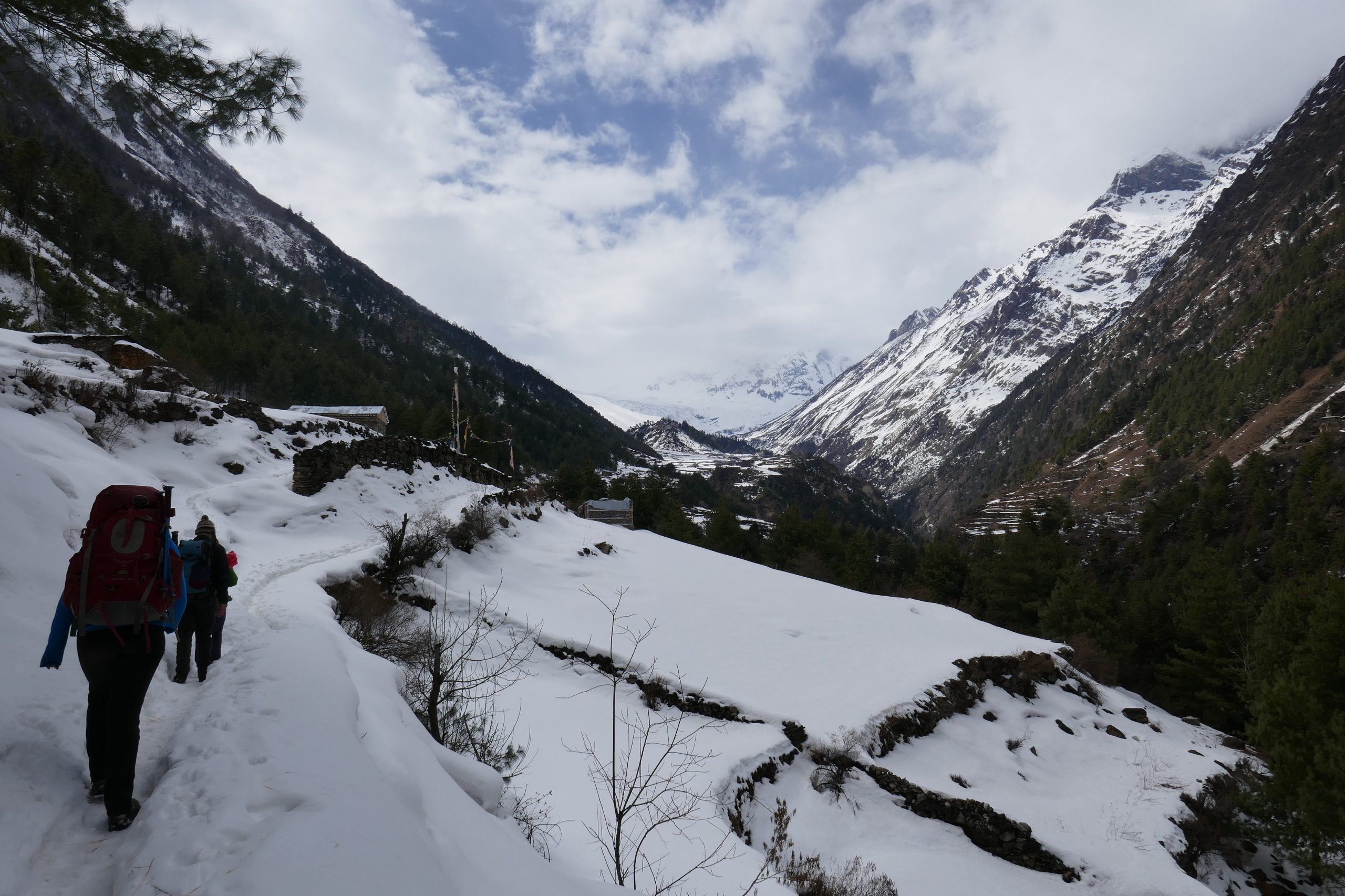
The summer months (June to August) bring monsoon rains, making trails slippery and sometimes dangerous due to landslides, so this season is not usually recommended for trekking. Winter (December to February) is cold and snowy in the high mountains, with temperatures often dipping below freezing, but it offers a peaceful trekking experience for those prepared for the cold.
Weather on the Manaslu Trek Upper Route can be unpredictable, with sudden temperature changes, occasional snow, and strong winds at higher elevations, so trekkers should be ready for anything and check forecasts before starting.
Best Seasons for Manaslu Trek Upper Route
The best time to trek the Manaslu Trek Upper Route is during the spring (March to May) and autumn (late September to November) seasons. These periods provide comfortable weather with clear skies, mild temperatures, and breathtaking mountain views.
Spring Season
In spring, the snow begins to melt, and rhododendron flowers bloom, painting the forests in vivid colors. Days are pleasantly warm, while nights remain cool, making trekking conditions comfortable and enjoyable.
Autumn Season
Autumn is known for its stable weather and cool air, offering excellent visibility of the Himalayan peaks. Trails remain dry, and the temperatures are cooler, especially at night, creating ideal conditions for trekking.
Other Seasons
The summer monsoon season (June to August) brings heavy rains, slippery paths, and an increased risk of landslides, making trekking difficult and less safe. Winter (December to February) is cold and snowy, particularly at high altitudes, and is recommended only for experienced and well prepared trekkers.
Permits for Manaslu Trek Upper Route
The Manaslu Trek Upper Route is located in a restricted area of Nepal, requiring trekkers to obtain several special permits to enter and trek legally. Trekking independently is not allowed, and permits must be arranged through a registered trekking agency.
Manaslu Restricted Area Permit (RAP):
Needed from Jagat to Sama Gaun, this permit controls access to the restricted zone for security and conservation.
Manaslu Conservation Area Permit (MCAP):
Required to enter the conservation zones protecting local wildlife and environment.
Annapurna Conservation Area Permit (ACAP):
Needed for the section around Dharapani, which falls within the Annapurna Conservation Area.
Additional Permits:
If planning to trek in the Tsum Valley, a separate restricted area permit is required.
Permit Costs and Validity
Permit fees vary based on the trekking season and length of stay in the restricted area.
Typically, the cost is higher during peak seasons (spring and autumn).
Permits are issued for a defined period, generally 12 to 18 days, depending on the itinerary.
Essential Group and Guide Requirements for the Manaslu Trek Upper Route
Embarking on the Manaslu Trek Upper Route is more than just a trek; it is a carefully regulated adventure that requires thoughtful preparation and respect for local rules designed to keep everyone safe and the environment protected.
To begin this epic journey, you must travel as part of a group with a minimum of two trekkers. Solo trekking is not permitted unless you secure a special “ghost permit,” which mimics a second traveler but comes at an additional cost. This rule is not just red tape, it is about your safety and maintaining a sense of community on the path.
A licensed local guide is your essential partner throughout this trek. These knowledgeable experts know the terrain inside out, expertly navigate difficult stretches, and add rich cultural and natural insights to your journey. They also handle all permit processes and coordinate with local officials to ensure a smooth trek.
Freelance guides are not authorized in this region. To meet regulations and ensure your safety, you must book your trek through a registered agency employing licensed guides who uphold professional standards and local laws.
Joining a group not only satisfies permit requirements but also offers the chance to share costs, forge friendships, and enjoy the trek alongside fellow adventurers. This system helps preserve the pristine landscapes and vibrant cultures of Manaslu while promoting responsible and sustainable trekking practices.
Accommodation Along the Manaslu Trek Upper Route
The Manaslu Trek Upper Route offers a variety of simple yet comfortable accommodation options designed to provide trekkers with a cozy and authentic Himalayan experience. Along the Manaslu Trek Upper Route, the main lodging choices are traditional teahouses and guesthouses, often run by local families, which offer not only a place to rest but also a warm cultural immersion.
In the lower and mid-altitude villages along the Manaslu Trek Upper Route, such as Jagat, Lho, and Samagaun, trekkers can find teahouses equipped with basic amenities like beds, blankets, shared bathrooms, and dining areas serving local and Tibetan influenced cuisine. Some of the better established teahouses on the Manaslu Trek Upper Route even provide hot showers, Wi Fi, and charging stations, making it easier for trekkers to stay comfortable and connected.
As the route climbs higher into more remote areas like Samdo and Dharmasala on the Manaslu Trek Upper Route, accommodations become more rustic, often featuring shared dormitory style rooms and simple squat toilets. Despite the simpler facilities, these lodgings provide essential shelter and meals, with local hospitality adding warmth to the experience.
For trekkers seeking a tougher adventure on the Manaslu Trek Upper Route, camping remains an option, though it requires carrying extra gear and support due to the remote nature of the trail. However, most prefer the teahouse to teahouse trekking style for its convenience and the valuable chance to interact with local communities.
Overall, accommodations along the Manaslu Trek Upper Route are modest but sufficient and welcoming, allowing trekkers to rest comfortably while immersing themselves in the stunning natural beauty and cultural richness of this remarkable Himalayan destination.
Food Options Along the Manaslu Trek Upper Route
The Manaslu Trek Upper Route offers a variety of food options that keep trekkers energized and satisfied throughout their journey. Along this route, most meals are served at teahouses and guesthouses run by locals, offering a blend of traditional Nepali, Tibetan, and some basic Western dishes.
For breakfast, trekkers on the Manaslu Trek Upper Route can enjoy staples like Tibetan bread with honey or jam, eggs prepared in several styles, porridge, oats, pancakes, and hot beverages such as tea and coffee. These hearty meals give a solid start to the day on this physically demanding trek.
Lunch and dinner menus along the Manaslu Trek Upper Route commonly feature dal bhat (Nepali ricewith lentils and vegetables), noodle soups like thukpa and thenthuk, momos (dumplings), rice, vegetable curries, potatoes, and more. Higher altitude areas usually have a more limited menu due to supply challenges, so vegetarian meals are often recommended as they are fresher and easier to prepare.
In lower villages on the Manaslu Trek Upper Route such as Jagat and Lho, you may find professional cooks during the peak season who offer a wider variety of dishes including some Western options like pasta and pizza. As you reach remote areas like Samdo and Dharmasala, meals become simpler but still satisfying, reflecting local culinary traditions.
Drink options include traditional Tibetan tea, ginger tea, hot lemon, and soft drinks. Alcohol is available but discouraged at high altitudes due to dehydration risks. Overall, the food along the Manaslu Trek Upper Route is wholesome and largely nutritious, providing the energy and comfort needed for an unforgettable Himalayan adventure.
How to Stay Healthy and Safe on the Manaslu Trek Upper Route
Trekking on the Manaslu Trek Upper Route is an incredible adventure, but it requires careful attention to health and safety to ensure a successful journey. Here are important tips to help trekkers stay safe and healthy on the Manaslu Trek Upper Route:
Travel with a Licensed Guide:
Always hike with an experienced, licensed guide who knows the Manaslu Trek Upper Route well. They provide invaluable support, help navigate difficult terrain, and respond quickly in case of emergencies.
Ascend Slowly and Acclimatize:
The Manaslu Trek Upper Route climbs to high altitudes, so it is essential to take your time. Gradual ascent allows your body to adjust and reduces the risk of altitude sickness. Rest days built into the itinerary help with acclimatization.
Stay Hydrated and Eat Nutritious Food:
Drink plenty of water and eat balanced meals high in carbohydrates to keep your energy up while trekking the Manaslu Trek Upper Route.
Pack Appropriate Gear:
Equip yourself with warm clothing, sturdy boots, rain protection, and a personal first aid kit. Being prepared for sudden weather changes on the Manaslu Trek Upper Route is crucial.
Listen to Your Body:
Pay attention to any symptoms such as headaches, nausea, dizziness, or fatigue. Inform your guide immediately if you feel unwell, as early recognition can prevent serious complications.
Stick to Safe Trails and Local Advice:
Follow marked paths and respect local customs and environmental guidelines on the Manaslu Trek Upper Route to ensure safety and sustainability.
Know Emergency Procedures:
Familiarize yourself with evacuation options, available health posts, and emergency contacts on the Manaslu Trek Upper Route. Some sections have access to helicopter rescues if needed.
By following these health and safety precautions, trekkers can fully enjoy the stunning landscapes and unique cultural experiences of the Manaslu Trek Upper Route while minimizing risks and staying well prepared.
What Makes Manaslu Guides Nepal Ideal for the Upper Manaslu Trek
Manaslu Guides Nepal stands out as the ideal choice for trekking the Upper Manaslu route due to our deep local expertise and licensed guide services, which are mandatory for this restricted area. We offer extensive knowledge of the rugged and challenging terrain, ensuring trekkers navigate safely through remote paths, including the high altitude Larkya La Pass. Our guides enhance the trekking experience by providing cultural insights about the indigenous communities, Buddhist heritage, and local history, making the journey not just safer but also culturally enriching.
Additionally, hiring Manaslu Guides Nepal ensures full compliance with Nepal’s trekking regulations, including arranging all necessary permits for the restricted zone and conservation areas. Our professionalism includes safety preparedness and emergency response skills, vital for trekking in such a high altitude and isolated environment. The support from our guides and porters helps trekkers focus on enjoying the stunning Himalayan views and diverse landscapes with confidence and ease.
Manaslu Guides Nepal offers expert navigation, regulatory compliance, cultural immersion, and safety assurance, making us the perfect choice for a successful and memorable Upper Manaslu Trek.
Itinerary
Expand AllCollapse
All
DAY 01
Arrival in Kathmandu (1,300 m)
Arriving at Tribhuvan International Airport, you will be greeted warmly by our team and escorted to your hotel in Kathmandu. This day is designed for relaxation and acclimatizing to the vibrant city atmosphere. Feel free to explore the surroundings at your leisure, allowing yourself to settle into your comfortable accommodations and mentally prepare for your upcoming adventure. A calm evening spent sampling local flavors or wandering city streets will set the perfect tone for the trek ahead.
Breakfast2/3 Stars Hotel
DAY 02
Drive from Kathmandu to Soti Khola (710 m), about
After breakfast, set off on a scenic drive from Kathmandu to Soti Khola. This roughly 6-7 hour journey traverses picturesque hills, terraced fields, and quaint rural villages. The gradual shift from urban to mountain life offers a glimpse of the natural beauty and culture awaiting you. Upon arrival, check into a local teahouse and get your trekking gear ready for the days to come.
Breakfast / Lunch / DinnerTea house / Lodge8-9 hours
DAY 03
Trek from Soti Khola to Machha Khola (900 m)
Your trek begins along the riverbanks from Soti Khola to Machha Khola. Passing through lush forests and traditional villages, this 5 to 6-hour walk on gentle terrain is an inviting start to your trekking experience. Evenings in the teahouse are warm and welcoming, with home cooked meals and comfortable rest.
Breakfast / Lunch / DinnerTea house6-7 hours
DAY 04
Trek from Machha Khola to Jagat (1,410 m)
Trekking from Machha Khola to Jagat involves a steady ascent through steep gorges, crossing suspension bridges and waterfalls over 7 to 8 hours. Jagat serves as the gateway to the Manaslu Conservation Area, where you can spend a restful night in a cozy lodge surrounded by changing landscapes.
Breakfast / Lunch / DinnerTea house / Lodge6-7 hours
DAY 05
Trek from Jagat to Deng (1,804 m)
The route from Jagat to Deng takes about 7 to 8 hours, leading you deeper into Manaslu’s beautiful forests and remote villages. You’ll notice alpine landscapes becoming more prominent as you approach Deng, where peaceful teahouses await.
Breakfast / Lunch / DinnerTea house / Lodge 6-7 hours
DAY 06
Trek from Deng to Namrung (2,630 m)
The trek continues upward from Deng to Namrung, spanning 7 to 8 hours. This section passes through the culturally rich Upper Nupri region, showcasing Tibetan influences, dense forests, terraced fields, and yak pastures. Namrung’s hospitable lodges provide a perfect spot to recharge before tackling higher elevations.
Breakfast / Lunch / DinnerTea house / Lodge 6-7 hours
DAY 07
Trek from Namrung to Samagaun (3,530 m)
Climbing toward Samagaon over 6 to 7 hours, you’ll be treated to sweeping views of Mt. Manaslu and surrounding peaks. Samagaon is a charming alpine village known for its spiritual atmosphere and stunning vistas. Comfortable lodges with hot showers and nearby monasteries provide welcoming options for visitors.
Breakfast / Lunch / DinnerTea house / Lodge 6 hours
DAY 08
Acclimatization and exploration in Samagaun (e.g., visit Pungyen Gompa)
Take a day to acclimatize and explore Samagaon. Visit the nearby Pungyen Gompa, hike to glacier viewpoints, or simply relax amidst the serene mountain environment. This rest day is essential for ensuring a safe ascent to higher altitudes.
Breakfast / Lunch / DinnerTea house / Lodge 6-7 hours
DAY 09
Trek from Samagaun to Samdo (3,800 m),
A shorter 4 to 5 hour trek leads from Samagaon to Samdo through rocky, high altitude terrain and alpine pastures. Situated nearly at 3,900 meters, Samdo is the last village before the high pass, offering rustic lodges and breathtaking mountain views.
Breakfast / Lunch / DinnerTea house / Lodge 4-5 hours
DAY 10
Rest and acclimatization day in Samdo; visit Tibetan border area
Rest and acclimatize in Samdo before the challenging pass ahead. Options include hiking to the Tibetan border or exploring the village. Taking this time to prepare helps prevent altitude sickness and boosts your endurance.
Breakfast / Lunch / DinnerTea house / Lodge7-8 hours walk
DAY 11
Trek from Samdo to Dharmasala (4,460 m),
The trail ascends steeply from Samdo to Dharamsala in about 4 to 5 hours. Here, temperatures drop as you move into the alpine zone. Dharamsala serves as base camp for the Larkya La Pass, with simple shelters where you can rest and prepare for the big crossing.
Breakfast / Lunch / DinnerTea house / Lodge4-5 hours
DAY 12
Trek from Dharmasala over Larkya La Pass (5,160 m) to Bhimtang (3,700 m)
Crossing the Larkya La Pass at 5,160 meters is the most demanding day, involving 8 to 9 hours of trekking over rocky terrain with steep ascents and breathtaking 360 degree Himalayan views. After the pass, the descent to Bhimtang offers basic teahouses where you can recover warmly.
Breakfast / Lunch / DinnerTea house / Lodge 8-9 hours
DAY 13
Trek from Bhimtang to Tilije (2,300 m)
Descending further, your 5 to 6 hour trek from Bhimtang to Tilije passes through rhododendron forests and terraced fields. Tilije’s peaceful lodges offer a comforting retreat after the challenging high passes.
Breakfast / Lunch / DinnerTea house / Lodge5-6 hours
DAY 14
Trek from Tilije to Tal (1,700 m)
The journey from Tilije to Tal takes around 5 to 6 hours as you pass through remote villages and farmland showcasing traditional mountain life. Tal provides a quiet night with limited but warm hospitality.
Breakfast / Lunch / DinnerTea house / Lodge 5-6 hours
DAY 15
Trek from Tal to Syanje (1,080 m)
A 6 to 7 hour descent from Tal to Syanje moves through lush river valleys and forested areas. Syanje marks the final overnight stop before your return drive, with guesthouses offering basic accommodations and friendly service.
Enjoy a scenic 8 to 9 hour drive back to Kathmandu through winding mountain roads. Use the time to relax, reflect on your trek, and take in Nepal’s stunning landscapes one last time. Once in Kathmandu, settle into your hotel and savor a restful evening in the city.
At the end of your trek, you may even head to the airport or join another trekking program with us. If you want to go to the airport, we will arrange a ride to get you there on time. If you want ot continue trekking, we will give you information about other routes and dates so you can pick your next trip.
Breakfast 2/3 Stars Hotel
Itinerary Note
If you’re interested in extending your adventure in Nepal, we offer a variety of exciting options. Discover the serene beauty of Pokhara, explore the wildlife in Chitwan National Park, or immerse yourself in the rich history with our Kathmandu Cultural Heritage Tours. For those looking for international experiences, we also offer tours to Tibet, India, and Bhutan.
Our standard itinerary may vary due to unforeseen circumstances like flight delays, weather changes, or health concerns. We advise arriving a day early to rest and prepare, with extra buffer days for international flights. The itinerary serves as a guideline and can be adjusted based on client preferences, fitness levels, and ground realities. If you're not satisfied or have an alternative plan please feel free to discuss it with us By Clicking :- ASK QUESTION or CUSTOMIZE YOUR TRIP.
Internal transport within Nepal as per the itinerary.
All necessary trekking and restricted areas permits & fees.
Three meals a day during the trek
All accommodations during the trek in local teahouses.
An experienced, English-speaking, government-licensed, first aid-trained special trekking guide and assistant guide (5 trekkers: 1 assistant guide)
Duffel bag (to be returned after trip completion), and complementary trekking maps. If needed down jacket and a sleeping bag will be provided for rent.
Staff costs include their salary, insurance, equipment, transport, food, and accommodation.
Rescue arrangements if necessary.
Basic First-aid kit (carried by your trekking guide)
All government and local taxes for Trekking, Agency service charges, and government tax/VAT.
Achievement Certificate
Cost Excludes
International airfare and Nepal visa fee.
Lunch and Dinner in Kathmandu
Extra night accommodation in Kathmandu because of early arrival, late departure, or early return from the mountain (due to any reason) than in the scheduled itinerary
Meal and accommodations. (can be arranged by the company as per the package agreement )
Personal insurance which covers medical, emergency evacuation, loss, or theft of property.
Personal gear and equipment.
Personal expenses such as laundry, hot showers, battery charging, Wifi, etc
Entry fees and costs for sightseeing (temples, monasteries, etc)
Tips and gratitude were provided to the guide and poeter.
Join Fixed Departure
FAQ's
What is the difficulty level of the Manaslu Trek Upper Route?
The trek is moderately to highly challenging. It needs good fitness because of the steep paths and high altitude, especially crossing the Larkya La Pass at over 5,100 meters.
How many days does the trek typically take?
It usually takes about 14 to 17 days, including rest days for acclimatization.
What permits are required for trekking in the Manaslu restricted area?
You need a Manaslu Restricted Area Permit, along with the Annapurna Conservation Area Permit (ACAP) and Manaslu Conservation Area Permit (MCAP).
Is it necessary to hire a licensed guide and trekking agency?
Yes, hiring a licensed guide and agency is mandatory for safety and to get the required permits.
What is the highest altitude reached on this trek?
The highest point is the Larkya La Pass at around 5,160 meters (16,930 feet).
What are the best months to trek the Manaslu Upper Route?
The best time is from September to November and from March to May, when the weather is clear and stable.
What kind of accommodation can be expected along the route?
Mostly simple teahouses and some homestays offer basic facilities like beds and meals.
How physically fit do I need to be for this trek?
Good physical fitness and some trekking or hiking experience are recommended because of long walking days and altitude gain.
Are there any acclimatization days included in the itinerary?
Yes, the itinerary includes rest or acclimatization days to help your body adjust to the altitude and reduce sickness risk.
What wildlife or cultural experiences might I encounter?
You will see Himalayan wildlife like musk deer and pheasants and visit traditional villages and ancient monasteries with rich Buddhist heritage.
How do I prepare for the food and weather conditions on the trek?
Bring warm clothes and waterproof gear. Food is simple but good; expect soups, rice, noodles, and local dishes.
Is travel insurance required or recommended?
Travel insurance covering high altitude trekking and emergencies is strongly recommended.
Are there emergency or medical facilities along the route?
Basic medical help is available in some villages; for serious issues, evacuation by helicopter is possible but costly.
You may like this
Similar trip on Region
You may also like to explore similar packages from same region...explore more trips
 Moderate Trek
 USD $870 - 1160